Physical Address
2958, Second Floor,
Arya Pura, Roshan Ara Road,
Delhi – 110007, India
Email Address
ceo@dimrajtraders.com
dimrajtraders24@gmail.com
Phone Numbers
+91 98998 59299
+91 95609 80298
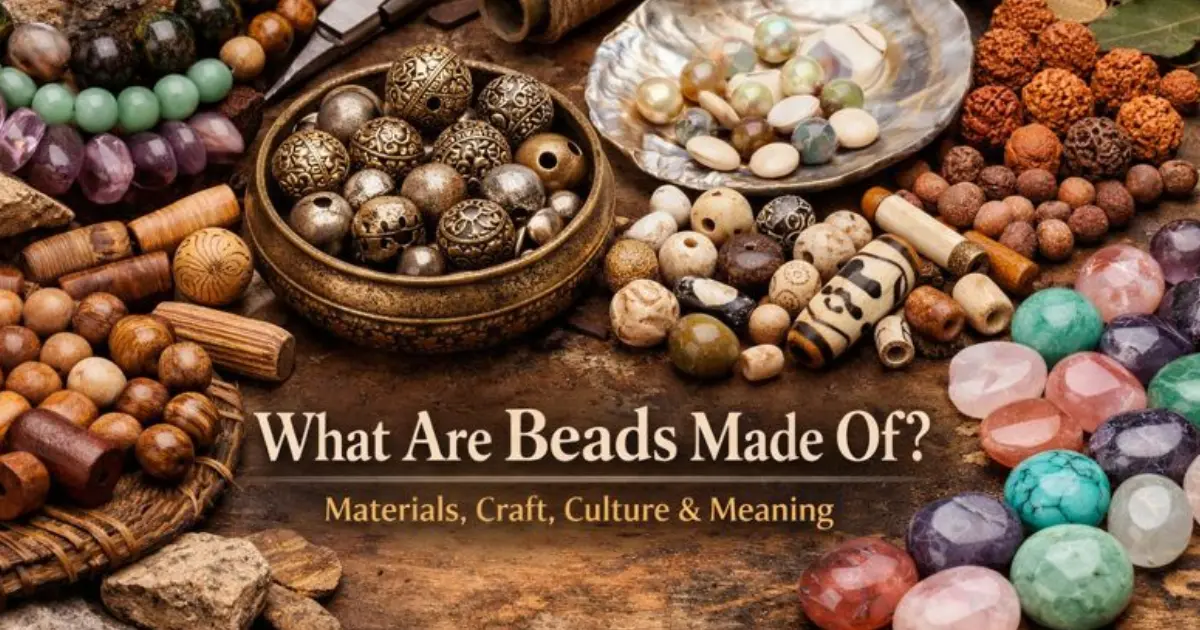
What are beads made of is often the first question people ask when they hold a strand in their hands and feel that quiet pull of curiosity. A bead may look simple, but behind its surface lies a story of material, craft, culture, and purpose.
From the cool weight of stone to the warmth of wood or the subtle sheen of glass, every bead carries clues about where it came from, how it was made, and why it was chosen in the first place.
After years of working closely with beads through sourcing, handling, selling, and listening to real customer questions, one thing becomes clear very quickly: materials are never just technical details.
When customers ask me What are beads made of, they are really asking about durability, authenticity, spiritual relevance, comfort, and long-term value.
They want to know whether a bead will age beautifully, whether it suits prayer or daily wear, and whether it truly aligns with the meaning they associate with it. Experience teaches that the same design can feel completely different depending on the material used.
Understanding What are beads made of also requires expertise beyond surface appearance. Natural stones behave differently from glass, wood responds to time and touch in ways metal never will, and organic materials demand a different level of care and respect.
Having worked directly with these materials in real-world conditions, not just descriptions, allows a deeper and more honest explanation of their strengths, limitations, and proper use. This perspective helps separate marketing claims from material reality.
This guide is written to answer What are beads made of with clarity, depth, and trust. It draws from hands-on experience, material knowledge, and practical insight gained through working with customers who value quality and meaning over guesswork.
By the end, you will not only know the materials themselves but also understand why those materials matter, how they influence purpose, and how informed choices begin with understanding what lies beneath the surface.
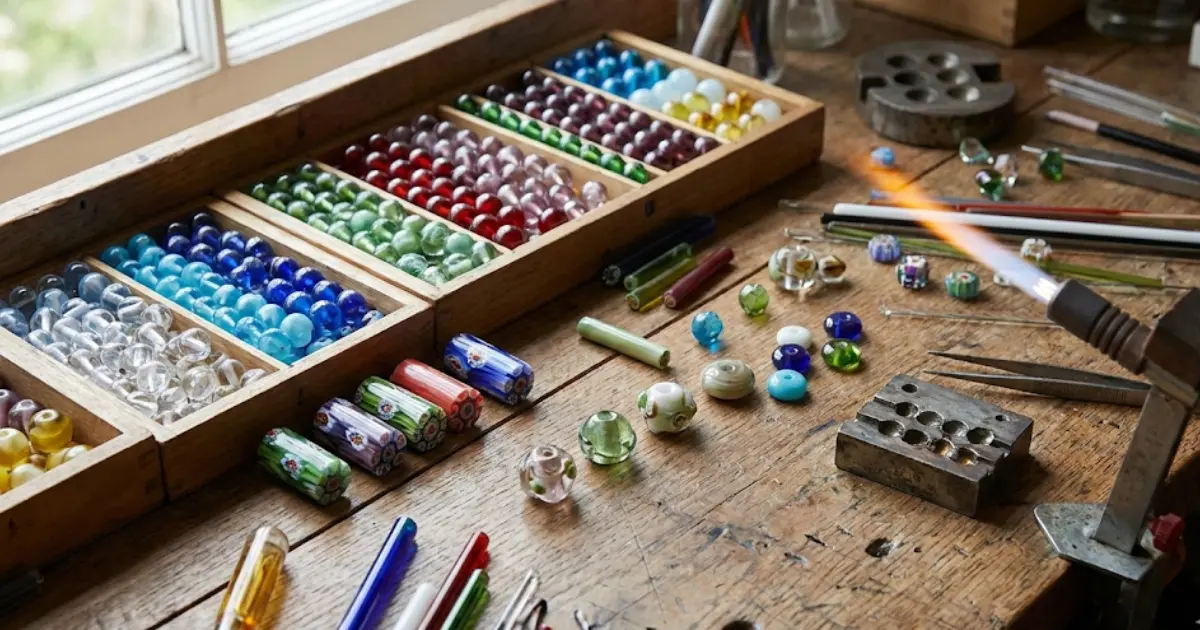
Glass beads are engineered for consistency and color control. When people ask what are beads made of in the context of inexpensive or mass-produced jewelry, glass is often the answer because glass allows precise color blends, transparent and opaque finishes, and repeatable bead shapes produced at scale.
Glass can be worked by lampwork, pressed into molds, or formed into canes and millefiori segments that are sliced and polished. These methods make glass beads affordable and widely available for necklaces, bracelets, and decorative rosaries.
Research into Venetian techniques shows beadmaking has been a core application of European glasswork for centuries, especially in Murano and similar centers where lampworking and cane production established durable manufacturing traditions.
Controlled melting, color dosing, and tooling let manufacturers answer the question what are beads made of with predictable results. Glass batch recipes, furnace temperatures, and tooling determine whether beads are strong, whether they resist chipping, and whether they can be drilled cleanly.
For designers and makers who need repeatable beads for production runs, glass delivers reliable lead times and costs because the raw materials are widely available and the processing tolerances are well understood.
Glass stays central to beadmaking because it balances price and finish. Unlike fragile natural materials, glass can be manufactured in thousands of colorways without depending on seasonal supply. For anyone comparing what are beads made of across budgets, glass offers a neutral baseline that satisfies color, translucency, and polish requirements.
Glass beads are best for fashion pieces, costume rosaries, and colorful statement necklaces that require precise color matching. They are practical for daily wear when heat or moisture exposure is moderate, and when the stringing technique prevents hard impacts.
If you are deciding what are beads made of for a daily-wear bracelet, glass is a sensible option because it combines affordability with a wide design palette.
Natural stone beads are cut from mineral deposits and shaped to reveal patterns, veins, and color variations rooted in geology. When people ask what are beads made of for authentic, long-lasting jewelry, natural stone is a primary answer because stones like jasper, agate, and turquoise offer unique aesthetics and durable surfaces that polish well.
The mineral properties that determine durability and resistance to wear are measurable and often described by the Mohs hardness scale and other gemological criteria.
Stones differ because they formed under distinct conditions. Sedimentary stones carry layered patterns, igneous stones often show crystalline textures, and metamorphic stones display banding or veining.
When you consider what are beads made of from stone, expect inherent variation in color and weight between beads on the same strand. That variation is a feature, not a flaw, when authenticity is the goal.
Polished stone beads emphasize color depth and shine; raw-cut surfaces display more texture and a rustic feeling. The answer to what are beads made of in each case is the same mineral, but the surface treatment determines visual appeal and scratch resistance. Polishing can reduce micro-porosity and make the bead less likely to accumulate grime.
Because many decorative minerals score higher on the hardness scale and because polished stone resists surface abrasion, stone beads often feel weighty and substantial. That physical presence is why natural stone is a go-to when someone asks what are beads made of for durable, meaningful jewelry.
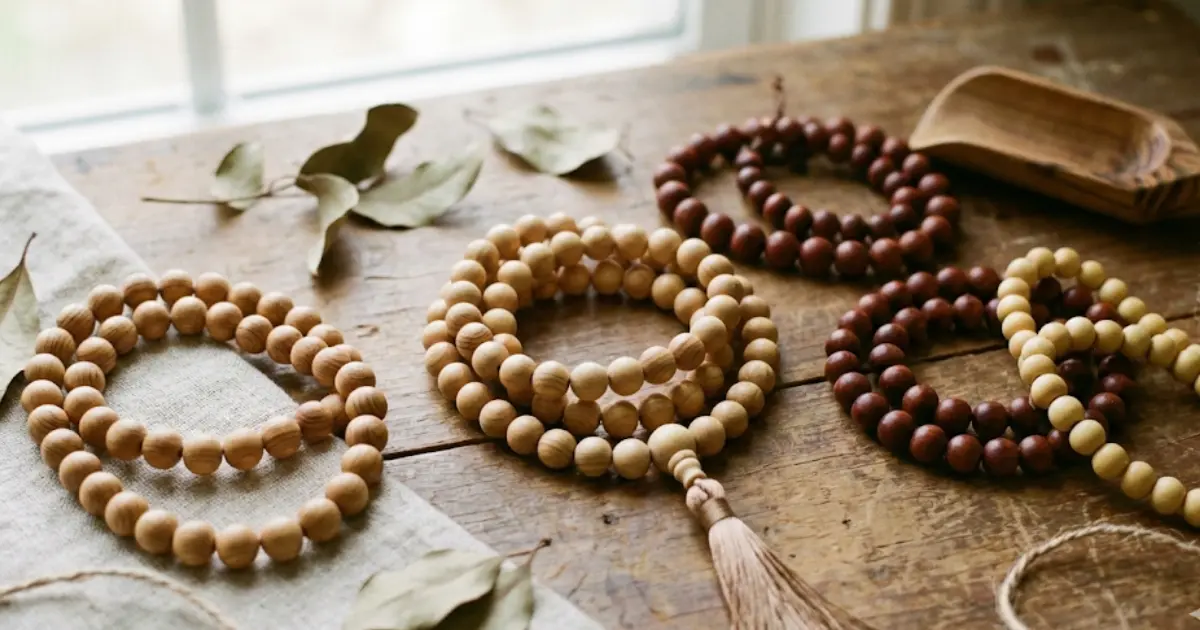
Wooden beads come from many species and deliver organic warmth and low weight. When buyers ask what are beads made of for prayer beads or mala strings, wood is commonly recommended because it balances comfort and tradition.
Species such as sandalwood, rosewood, and boxwood are popular because each offers distinct grain patterns, aromatic qualities, and different densities that influence how the bead wears and sounds when handled.
The botanical identity of the wood determines density and resistance to wear. Hardwoods with fine grain and natural oils hold polish and withstand handling better than softer woods. If you want to know what are beads made of and how that affects longevity, check the species: denser woods need less sealing and often last longer when used for prayer beads and jewelry.
Wood provides a warm tactile experience and a quieter clack than stone or metal. For meditation and prayer, the physical feel of wood answers why many ask what are beads made of in the context of spiritual practice. Wooden beads are gentle on skin, light enough for long wear, and often chosen for their understated presence.
Wood is integral to many religious bead traditions because it is renewable, often aromatic, and easy to carve into spherical forms. In many communities, particular woods carry symbolic meaning, which explains why wood remains a top answer to questions about what are beads made of for ritual and cultural use.
Metal beads include solid metals, plated metals, and alloys that range from precious silver and gold to base metals like brass and copper.
When the question is what are beads made of for supportive structural elements in jewelry, metal is common because it adds weight for balance and can provide structural anchor points where needed. Metal beads are used both decoratively and functionally to space, weight, and highlight other materials.
Metals vary widely. Pure silver is soft and will tarnish, while sterling silver alloys introduce copper to increase hardness at the cost of potential tarnishing. Base metals such as brass offer strength and affordability but may corrode or skin-react with prolonged exposure.
When thinking about what are beads made of, consider alloy composition, plating thickness, and whether the metal will need regular cleaning.
Metal beads serve as spacers and weighted anchors that help a necklace drape properly. They are often used at clasp regions and as accent pieces. For any buyer wondering what are beads made of when choosing a strand that must keep its shape, metal beads often deliver the necessary structure.
Metal can be finished in high polish, antiqued textures, or hammered patinas. This versatility explains why metals answer the practical question what are beads made of when design and durability must align.
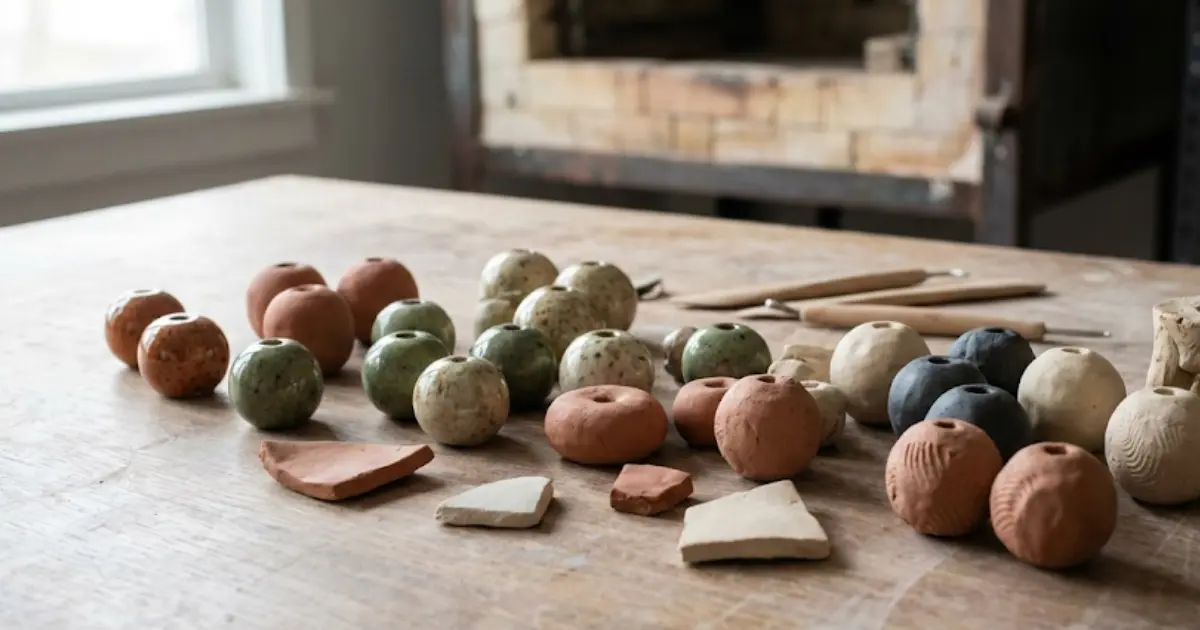
Ceramic and clay beads are shaped from mineral bodies and fired to achieve hardness. Potters and beadmakers use different firing temperatures and glazing choices to control the finish, which affects scratch resistance and water tolerance. Ceramic beads are valued for their handcrafted aesthetics and unique surface decorations.
Higher kiln temperatures sinter clay bodies into harder, more vitrified beads, while lower temperatures produce more porous bodies that may require sealing. This technical fact explains part of the answer to what are beads made of for ceramic pieces: the same clay can produce vastly different performance depending on the firing profile.
Glazed beads have a glassy surface that resists moisture and improves shine; unglazed beads show a matte texture and a more organic touch. When people ask what are beads made of in the category of ceramics, the glaze often defines usability and cleaning needs.
Artisans apply slips, underglazes, and carving techniques that embed narrative and craft into the bead. For shoppers asking what are beads made of and why some beads command higher prices, the handcrafted ceramic bead represents both material and maker skill.
Bone and horn beads have a long history because they are durable, carvable, and available from livestock byproducts. However, modern buyers asking what are beads made of must also consider ethical sourcing and legal restrictions, especially when materials resemble or derive from protected species such as elephant ivory.
International regulation limits ivory trade, and many artisans now use responsibly sourced bone, synthetic substitutes, or non-ivory alternatives.
Across cultures, bone and horn have been carved into beads and ornaments for millennia because they polish well and take detailed carving. The historic use explains why bone remains one of the classic answers to what are beads made of for tribal and heritage pieces.
Bone and horn beads polish to a warm, creamy finish and are quite durable when stabilized. The density and grain affect how they accept drill holes and finish, which answers practical concerns about what are beads made of when lifetime and repairability matter.
Because of conservation concerns and trade restrictions on ivory, many sellers now label materials precisely and offer alternatives such as resin, tagua nut, or responsibly sourced bone. For conscientious buyers asking what are beads made of, ask for sourcing transparency and certification where available.
Shell and mother-of-pearl beads are made from mollusk material called nacre, which gives a natural iridescent sheen. These materials are prized for their luster and relative strength. Scientific analysis of nacre shows a layered, brick-and-mortar structure that creates both shine and mechanical resilience. That property explains why shell beads are both beautiful and surprisingly durable.
Nacre builds in layers inside shells, producing depth and iridescence that changes with light and angle. When shoppers ask what are beads made of and desire an organic shimmer, mother-of-pearl is a top choice because its reflectivity cannot be imitated exactly by synthetic finishes.
Although nacre is tough, the underlying shell can be brittle when thin. Shell beads are generally resilient in everyday wear but should be protected from hard impacts and strong acids. For people asking what are beads made of and how to maintain them, treat shell beads like other delicate natural materials.
Shells often carry symbolic associations with water and continuity. This symbolic layer enriches the practical explanation of what are beads made of when bead choices intersect with meaning and ceremony.
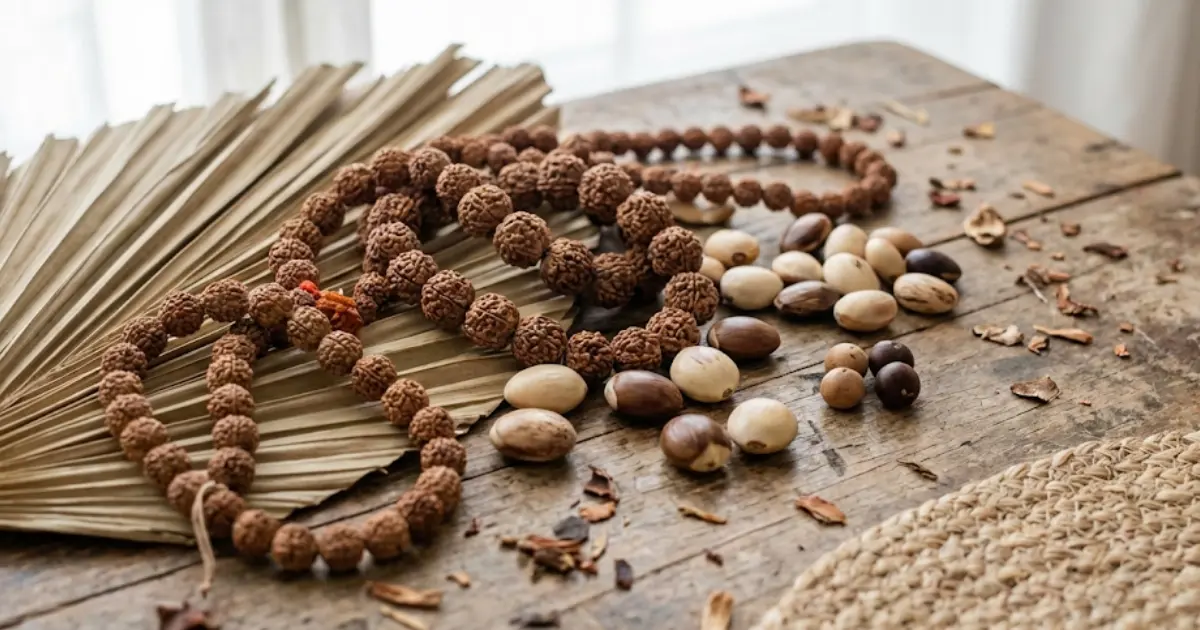
Seed and plant-based beads include seeds like rudraksha, job’s tears, and palm seeds, as well as plant-derived materials like tagua nut and carved fruit stones. These beads are valued for their natural texture, symbolism, and sustainability when harvested responsibly.
Seed beads require careful selection, cleaning, and drying to avoid cracking or infestation. Stabilizing finishes or mild sealants are often used to increase lifespan. If you are asking what are beads made of and prefer botanical materials, understand that processing influences longevity as much as the raw seed does.
Seeds can darken, shrink, or develop patina over time. These changes are often embraced in spiritual contexts that value natural aging, which is why many ask what are beads made of when choosing mala beads or meditation strands.
Seeds often represent life cycles, resilience, and grounding. For spiritual practitioners asking what are beads made of for ritual tools, seed beads carry both physical and symbolic meaning that enhances practice.
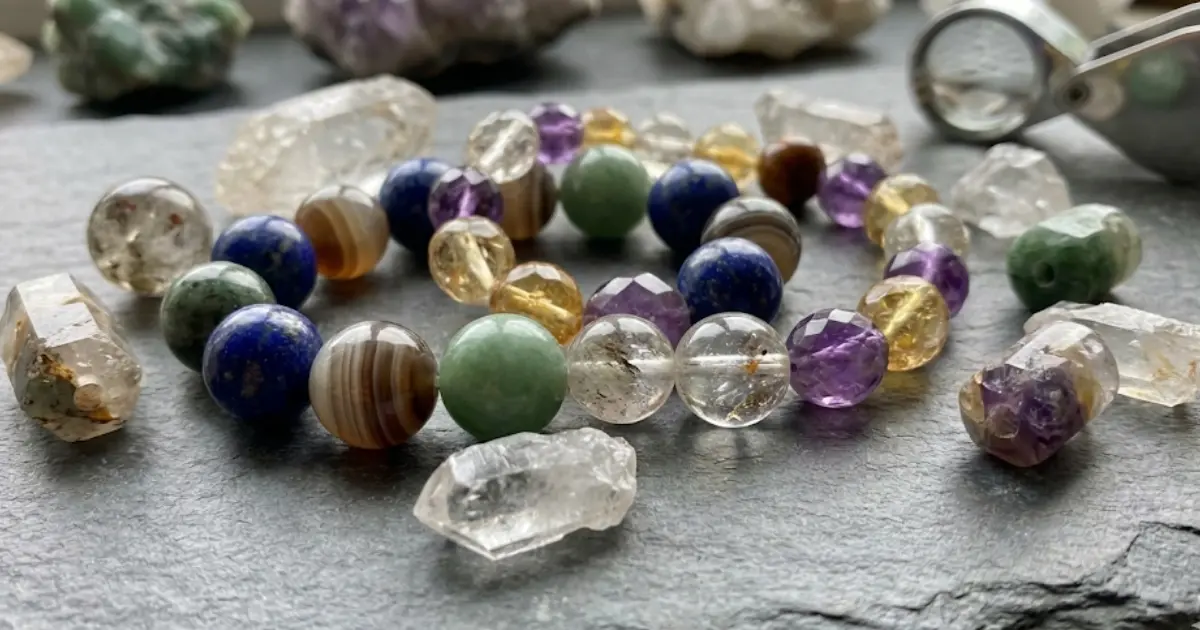
Gemstone beads are cut from minerals valued for color, clarity, and rarity. Mineral hardness, internal structure, and rarity together shape both durability and perceived value.
Gemological resources emphasize that while Mohs hardness is a useful indicator, it does not alone determine durability because cleavage, inclusions, and toughness also matter. When answering what are beads made of in the gemstone category, consider hardness, fracture properties, and provenance.
Minerals with higher hardness resist surface scratches better, while softer stones can show wear more quickly. If you worry about daily abrasion and ask what are beads made of for long-term wear, seek stones with balanced hardness and toughness.
Rarity, historical use, and cultural desirability often increase a gemstone’s real or perceived value. For collectors asking what are beads made of with investment or heirloom intent, provenance and quality grading matter as much as color.
Gemstones carry centuries of symbolic meaning from healing metaphors to cultural status. That layer of meaning is often why buyers ask what are beads made of when selecting beads for personal rituals or gifts.
What are beads made out of in modern jewelry production?
Modern production uses a mix of glass, plastics, metal alloys, natural stones, and sometimes high-end precious metals and gemstones. Mass-market beads are often glass or plastic for cost and color control, while artisanal and luxury beads use stone, metal, and organic materials.
What are rosary beads made of across different traditions?
Rosary beads vary by tradition and budget. Catholic rosaries may use wood, glass, crystal, or precious materials; Eastern prayer beads can be wooden or made from seeds such as rudraksha. Historically, rosaries have been made from whatever materials were available, ranging from carved bone to polished stone and metal.
Which bead materials last the longest with daily use?
Durable choices for everyday wear include hard natural stones, well-made metal beads, and vitrified ceramic. Glass can last if protected from hard impact, while organic materials like wood and seed-based beads require more care.
How can you tell natural beads from synthetic ones?
Look for consistent weight, surface details, and microscopic inclusions. Natural stones usually show internal patterns and small imperfections; synthetics often appear visually perfect. Professional testing and provenance documents provide definitive answers for valuable items.
Do bead materials affect weight and comfort?
Yes. Stone and metal feel heavier and cooler to the touch, while wood and seed beads are lighter and warmer. If you ask what are beads made of because of comfort considerations, choose materials that match your preferred weight and tactile feel.
Are natural materials always better than manufactured ones?
Not always. Natural materials can offer meaning and unique variation, but manufactured materials like glass and high-quality resins may outperform natural materials in specific wear conditions. The right material depends on purpose, not simple natural-versus-synthetic rules.
How do bead materials age over time?
Materials age differently. Metals may patina or tarnish, stones may retain luster, wood can darken, and seed beads can develop a pleasing patina. Proper care slows undesirable aging.
Which materials are best for spiritual or prayer beads?
Traditionally, woods like sandalwood, seeds like rudraksha, and certain stones have been used for prayer beads due to their tactile and symbolic qualities. Many contemporary practitioners use materials that feel meaningful to them personally, including glass and metal.
Are certain bead materials more sustainable than others?
Sustainability depends on sourcing. Reclaimed metals, responsibly harvested wood, and plant-based beads from managed supplies can be sustainable. Materials derived from endangered species or illegally traded ivory are not sustainable and are subject to legal restrictions.
How should different bead materials be cared for?
Use gentle soaps and soft cloths for most beads, avoid prolonged soaking for porous materials, keep metal beads dry and polished, and store natural materials away from extremes of humidity and direct sunlight.
What are beads made of is ultimately the question that brings everything in this guide together, because material is the quiet foundation behind every experience a bead creates.
Once you understand how glass, stone, wood, metal, ceramic, shell, seed, bone, and gemstones differ, it becomes clear that beads are not interchangeable objects.
Each material carries its own balance of durability, symbolism, care needs, and emotional presence, and that balance directly shapes how a bead is used and valued over time.
Throughout this guide, the goal has been to move beyond surface-level descriptions and explain what are beads made of in a way that reflects real-world use. Years of handling these materials show that quality is felt long before it is seen.
Weight, temperature, texture, and even sound in the hand all reveal truths about a bead’s origin and purpose. When buyers understand these details, they make choices with confidence rather than assumptions.
Knowing what are beads made of also builds trust between the maker, the seller, and the wearer. Transparency about materials allows people to choose beads that match their values, whether that means spiritual significance, ethical sourcing, everyday comfort, or long-term durability.
Experience proves that informed customers return not because of trends, but because clarity creates lasting satisfaction.
In the end, understanding what are beads made of is not just about materials; it is about intention. When material, craftsmanship, and purpose align, beads become more than decorative pieces. They become personal objects that age with meaning, carry stories forward, and hold value far beyond their size.