Physical Address
2958, Second Floor,
Arya Pura, Roshan Ara Road,
Delhi – 110007, India
Email Address
ceo@dimrajtraders.com
dimrajtraders24@gmail.com
Phone Numbers
+91 98998 59299
+91 95609 80298
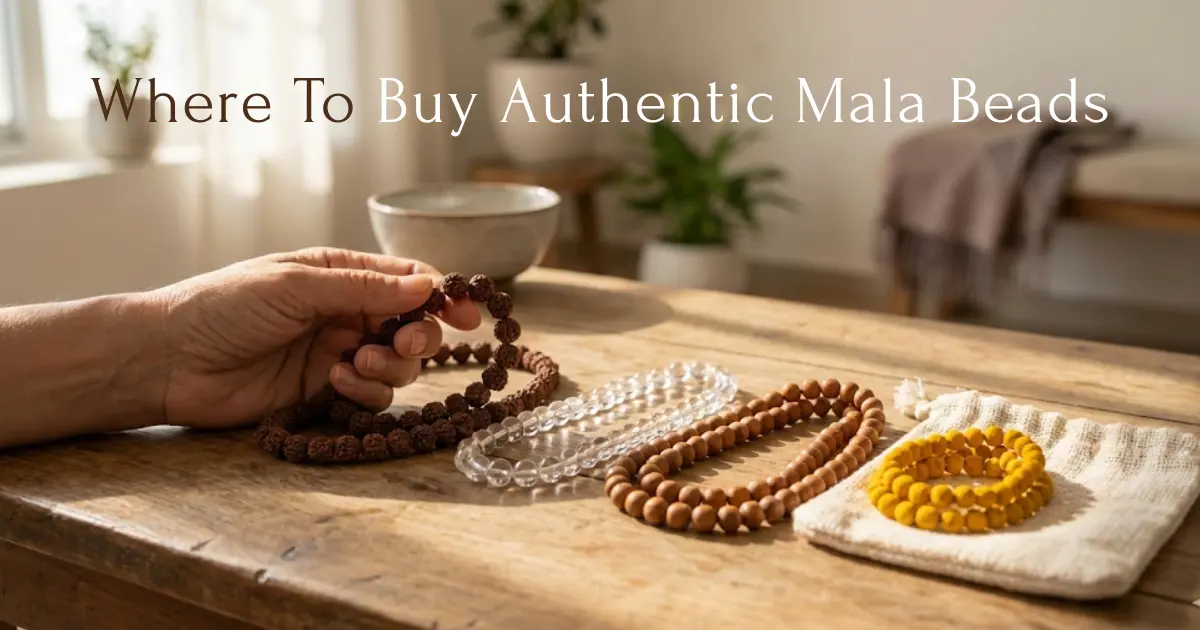
where to buy authentic mala beads is the question that brings many seekers here, and it is the single thread that will guide this entire guide. You are not only shopping for an object. You are choosing a companion for practice, a tool for focus, and sometimes a sacred heirloom.
At Dimraj Traders, we have curated and verified malas so customers can stop guessing and start practicing with confidence. Our team works with artisans, respected suppliers, and tradition holders to make sure each piece is described honestly, photographed clearly, and traceable where possible.
If you have ever typed where to buy authentic mala beads into a search box, you know how dizzying the results can be. Listings promise rare seeds, perfect sandalwood, or lab-certified rudraksha, but photos are small, and descriptions are vague.
Customers come to us after buying a beautiful but fake mala, or after paying too much for a product that falls apart after a few uses. Those stories taught us to treat transparency as the first product feature.
That is why this article does not rely on slogans. It gives practical checks, clear red flags, and simple rituals for care, so your purchase supports long-term practice.
This guide answers where to buy authentic mala beads with a practical, step-by-step approach. You will get the language to ask sellers the right questions, the tests to run at home, and a buyer’s roadmap that moves from intention to purchase to care.
We pair that guidance with real product examples from our store so you can see how these principles apply to actual listings.
By the end, you will know exactly where to buy authentic mala beads with confidence and clarity. This is written from a place of practice and verification, not hype.
Read on and use these steps to protect your budget, honor the tradition behind each bead, and choose a mala that truly serves your spiritual life.
Before asking where to buy authentic mala beads, it is essential to understand why you are buying one. A mala is not just a string of beads. It is a personal spiritual tool that supports focus, devotion, and consistency in practice.
Choosing without clarity often leads to dissatisfaction, unused malas, or regretful purchases. When your intention is clear, the process of deciding where to buy authentic mala beads becomes simpler and more meaningful.
Your practice determines the type of mala you need. Someone practicing meditation or mantra chanting will have different requirements than someone wearing a mala for devotion or daily grounding. Before deciding where to buy authentic mala beads, ask yourself how you plan to use them.
Each material carries a history and practical traits. Rudraksha beads are seeds traditionally used in Hindu practices and are often chosen for grounding and protection. Sphatik, or clear quartz, is favored for clarity and purification.
Tulsi mala is associated with devotion to Vishnu or Krishna while Haldi or turmeric mala links to purity and ritual use. These associations are documented in devotional and modern sources.
Start locally and online. Check temple shops, trusted artisans, and specialist retailers. For online research, look for detailed product photos, clear descriptions, and visible return policies.
When searching online, use targeted queries such as where to buy authentic mala beads, beads mala online, and where can i buy authentic japa mala beads to surface reputable sellers. Always verify seller reviews and product provenance.
Understanding materials is one of the most overlooked steps when deciding where to buy authentic mala beads, because sellers often highlight appearance instead of substance.
Before evaluating sellers or prices, it is important to understand what mala beads are actually made of and why material matters so much. The material of a mala directly affects its durability, comfort, traditional relevance, and suitability for different spiritual practices.
Many people searching for authentic mala beads focus only on appearance, but materials carry both practical and cultural significance. Knowing the differences between crystal, wood, seed, and herbal malas helps you make informed decisions and prevents confusion when comparing products across different sources.
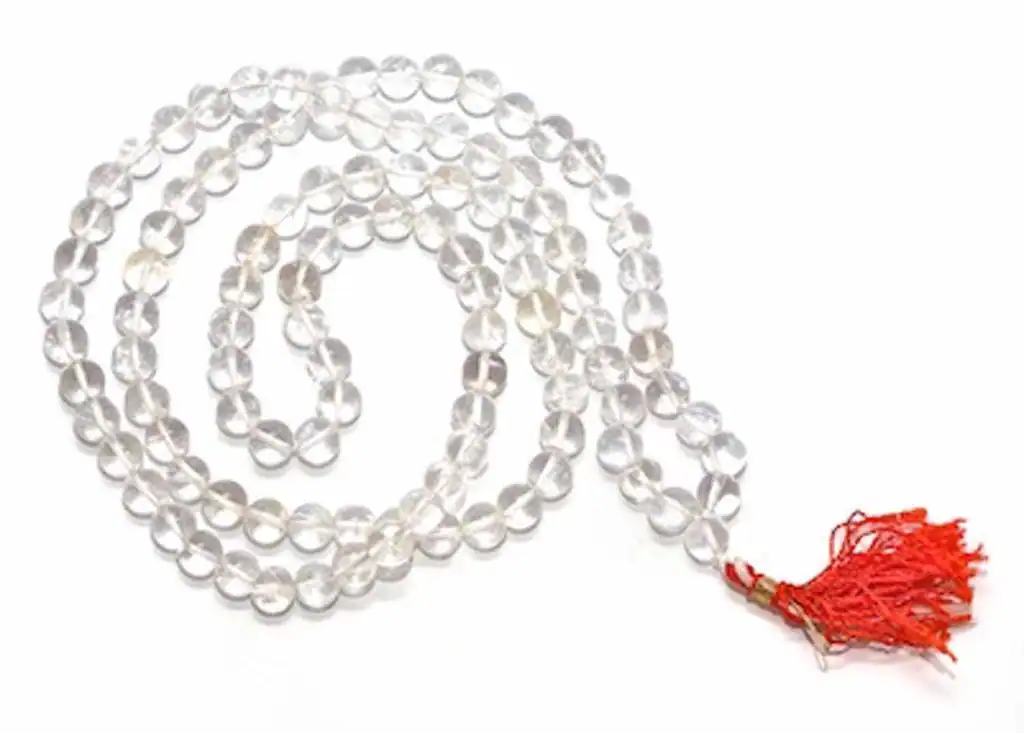
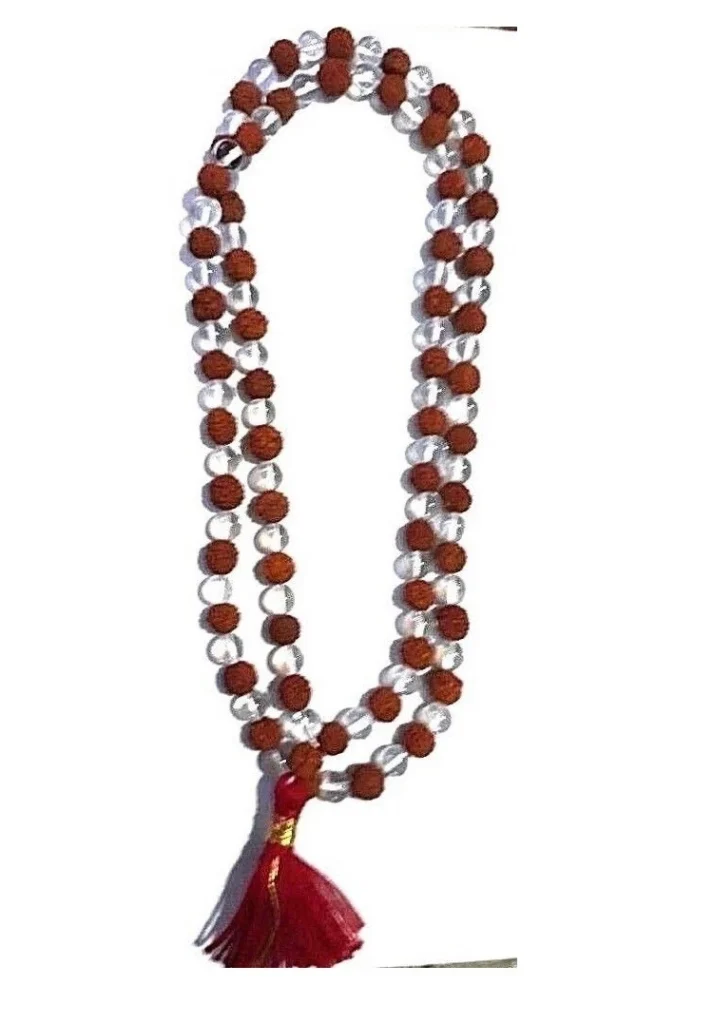
Sphatik crystal mala pieces are essentially clear quartz beads often used as japa mala 108 beads for mantra work. Practitioners value sphatik for perceived purification benefits and its clear aesthetic.
Bead size affects weight, feel, and drape; common mala beads range from 6 to 8 mm for manageable handling during chanting. Sources note the traditional use of crystal malas in meditation.
When researching where to buy authentic mala beads, crystal malas like sphatik require extra attention to clarity, bead size, and natural inclusions.
Authentic sandalwood mala beads have a long-lasting woody aroma, tight grain, and weight from natural oils. Home checks for sandalwood authenticity include aroma tests, slight warmth when rubbed, and checking packaging for origin claims.
Scientific and industry sources describe chemical methods for oil authentication, but practical checks help shoppers in markets. Knowing these sensory checks helps buyers filter sellers when deciding where to buy authentic mala beads made from real sandalwood.
Haldi mala or Turmeric mala is used in certain devotional contexts for purity and specific rituals. Tulsi malas are revered in Vaishnava traditions and are often kept as personal devotional items.
Seed malas like kamal gatta or lotus seed wearers choose for symbolic reasons. When buying these materials, confirm the source and whether beads are natural or dyed.
This cultural understanding becomes essential when evaluating where to buy authentic mala beads that use herbal or seed-based materials.
Mala bead count is not random. It is rooted in long-standing spiritual traditions and practical use during mantra repetition. Different bead numbers serve different purposes, and choosing the wrong count can affect comfort, rhythm, and consistency in practice.
Understanding why certain numbers are used allows you to choose a mala that fits your lifestyle and spiritual routine rather than forcing yourself to adapt to an unsuitable one.
Bead count is a critical decision point that directly influences where to buy authentic mala beads, since not all sellers offer traditional or correctly counted malas.
The 108 bead count is the most common mala size and carries layered meanings across Hindu, Buddhist, and Jain traditions. Explanations include 108 afflictions to overcome, 108 Upanishads, and 108 energy channels in yogic anatomy.
Choosing 108 supports full-length mantra cycles and has centuries of cultural context. Buyers searching where to buy authentic mala beads should confirm that 108-count malas follow traditional spacing and include a proper guru bead.
A 54 beads rudraksha mala or half-sized mala is convenient for travel or wearing on the wrist. Many practitioners use half-malas for shorter sessions and as bracelets that carry mala bead bracelet meaning as a wearable reminder.
Both 108 and 54 have traditional uses and practical trade-offs. This is especially useful for people narrowing down where to buy authentic mala beads suited for daily wear or travel.
Other counts such as 84 beads rudraksha mala appear in specific lineages or practices. Match bead number to your practice, comfort, and the lineage advice you follow.
Historical and contemporary sources list multiple traditional counts for malas. Specialized counts like this further limit where to buy authentic mala beads, making seller knowledge more important than price alone.
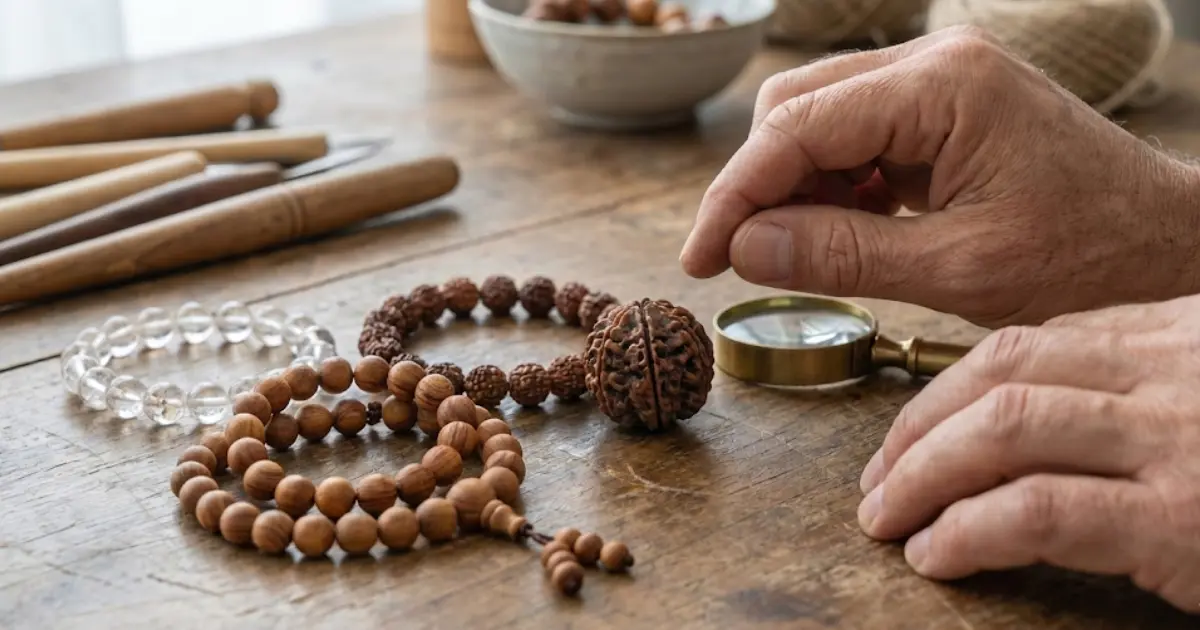
Authenticity is often revealed through small physical details rather than labels or promises. Genuine mala beads show natural variation, subtle imperfections, and thoughtful craftsmanship. Learning to recognize these signs helps you avoid artificial or mass-produced imitations.
This section focuses on how physical characteristics like texture, weight, carving quality, and bead finish can reveal whether a mala is truly authentic or merely decorative. Learning these physical signs protects buyers who are researching where to buy authentic mala beads in a market filled with visual imitations.
Inspect rudraksha closely. Genuine rudraksha have natural mukhi lines that run continuously and irregularly. Artificial carving or perfectly smooth holes can indicate tampering. For rare mukhi types, labs and X-ray imaging can confirm internal chambers.
Use magnification and request certificates when buying high-value pieces. These inspection steps are crucial when deciding where to buy authentic mala beads, especially for rudraksha-based malas.
what are traditional mala beads made of varies by tradition: seeds, woods, stones, and crystals are common. Be wary of synthetic beads labeled as high-value materials, painted surfaces, or glued repairs.
When sellers are vague about material, ask for specific origin and testing. Material awareness reduces risk when evaluating where to buy authentic mala beads across online and offline sellers.
Simple checks include a close photo review, checking bead weight, and listening for the natural sound of bead-on-bead contact. For sandalwood and stone, density and smell tests help.
For rudraksha, X-ray is the most definitive test while home tests are initial filters only. These simple checks empower buyers before committing to where to buy authentic mala beads without professional testing.
Once you understand materials and bead counts, the next challenge is choosing the right buying channel. Authentic malas are sold across many platforms, but not all sources offer the same level of trust, transparency, or protection. Each option comes with its own advantages and limitations.
Mapping out these buying paths helps you decide where to focus your search based on convenience, verification, and peace of mind. This comparison helps readers clearly understand where to buy authentic mala beads based on trust level, verification, and buying comfort.
When shopping beads mala online, inspect high-resolution images, ask for close-up shots of guru beads and knots, and verify return and refund terms. Marketplace sellers often list basic specs but trust requires clear photos, authentic reviews, and seller transparency.
Cross-check social proof where available. Careful evaluation of listings is essential when deciding where to buy authentic mala beads through online platforms.
To find where to buy authentic mala beads online safely, prefer specialist stores with product pages, clear policies, and contact information. Verify whether the seller offers certificates for rare rudraksha or lab-tested materials.
Use targeted searches like where to buy authentic mala beads and where can i buy authentic japa mala beads to filter results. Dimraj Traders’ shop lists many traditional malas with product details for buyers to review.
Buying from local artisans or temple shops supports community craft and often allows tactile inspection. However, provenance may be limited and return policies restricted.
When buying locally, politely request to handle the mala, note maker marks, and ask about materials and care. Understanding these pros and cons helps clarify where to buy authentic mala beads when you prefer in-person verification over online listings.
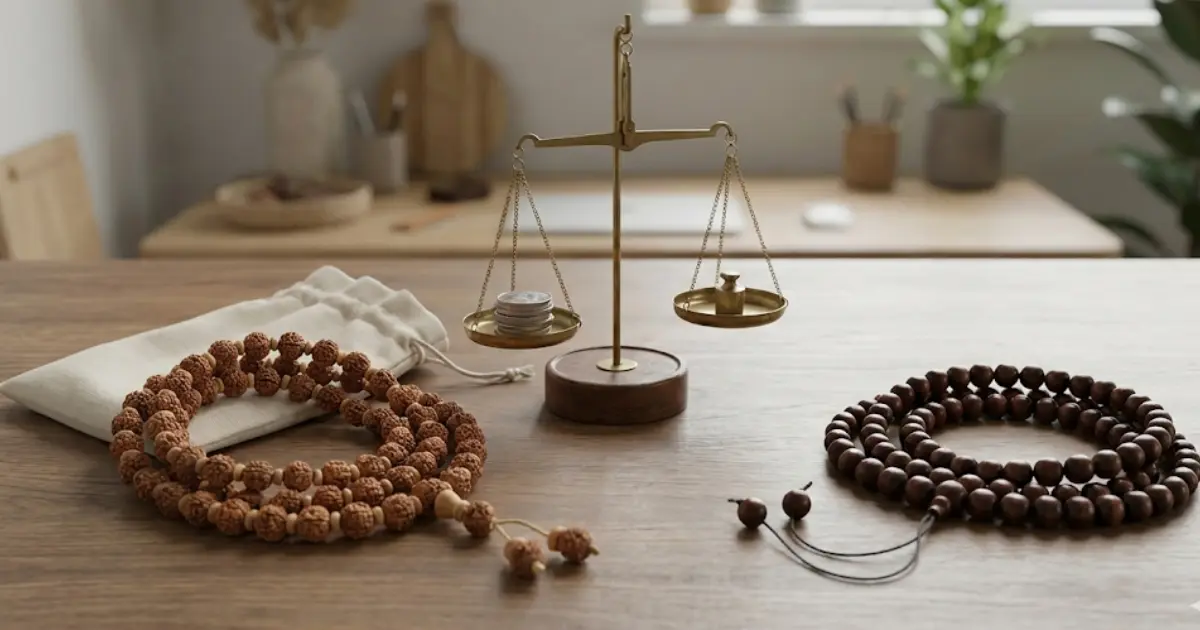
Price alone does not define authenticity, but it often reflects material quality, craftsmanship, and sourcing effort. Many buyers either overpay due to fear of fakes or underpay and receive imitation products. Understanding how value is built into a mala helps you judge whether a price is reasonable.
This section clarifies what actually influences cost so you can balance budget with long-term satisfaction. Price awareness is essential when deciding where to buy authentic mala beads, because cost often reflects sourcing ethics and craftsmanship quality.
High-quality rudraksha, genuine sandalwood, and hand-knotted threads increase value. Rare mukhi counts and larger bead sizes also raise price. Lab-certified pieces command premiums.
Consider long-term value versus cheap mass-produced mala alternatives. Knowing these factors allows buyers to judge where to buy authentic mala beads that offer real value instead of inflated pricing.
If a rare rudraksha or sandalwood mala is offered at a fraction of market price, be skeptical. Check seller history and request verification.
Cheap knockoffs often lack seller details and have poor photos. Use buyer protections on marketplaces when possible. These warning signs are critical when filtering where to buy authentic mala beads in crowded online and offline markets.
Entry-level malas may use common seeds or mass-cut wood. Mid-tier often includes hand-knotted malas with better beads. Premium malas feature lab-tested rudraksha, aged sandalwood, or high-quality crystals and professional knotting.
Compare features not just price. Price band comparisons make it easier to evaluate where to buy authentic mala beads based on budget without sacrificing authenticity.
Trust is a critical part of buying spiritual tools. Provenance and transparency help establish whether a mala has been sourced responsibly and described honestly. While not every mala requires certification, knowing when documentation matters can protect you from misleading claims.
Asking the right questions encourages ethical trade and ensures you are investing in something genuine rather than relying on assumptions. Trust indicators like provenance directly influence where to buy authentic mala beads, especially for spiritually significant purchases.
Ask sellers for origin details, collection methods, and any paperwork for 108 rudraksha mala original. True provenance helps trace ethical sourcing and reduces the chance of altered beads.
For high-value items, ask for lab certificates showing internal chamber counts. Clear provenance answers help buyers confirm where to buy authentic mala beads that are ethically sourced and accurately represented.
Certificates that reference X-ray or gemological testing are meaningful for rare beads. However, certificates can be forged so verify issuing labs and request digital copies.
Use independent experts when in doubt. This knowledge protects buyers evaluating where to buy authentic mala beads that claim rarity or certification.
Seller transparency includes multiple clear photos, requestable videos, shipment tracking, and a fair return policy. A transparent seller often lists contact details and additional product context.
These signs suggest safer purchases. Transparency standards simplify decisions about where to buy authentic mala beads with minimal risk.
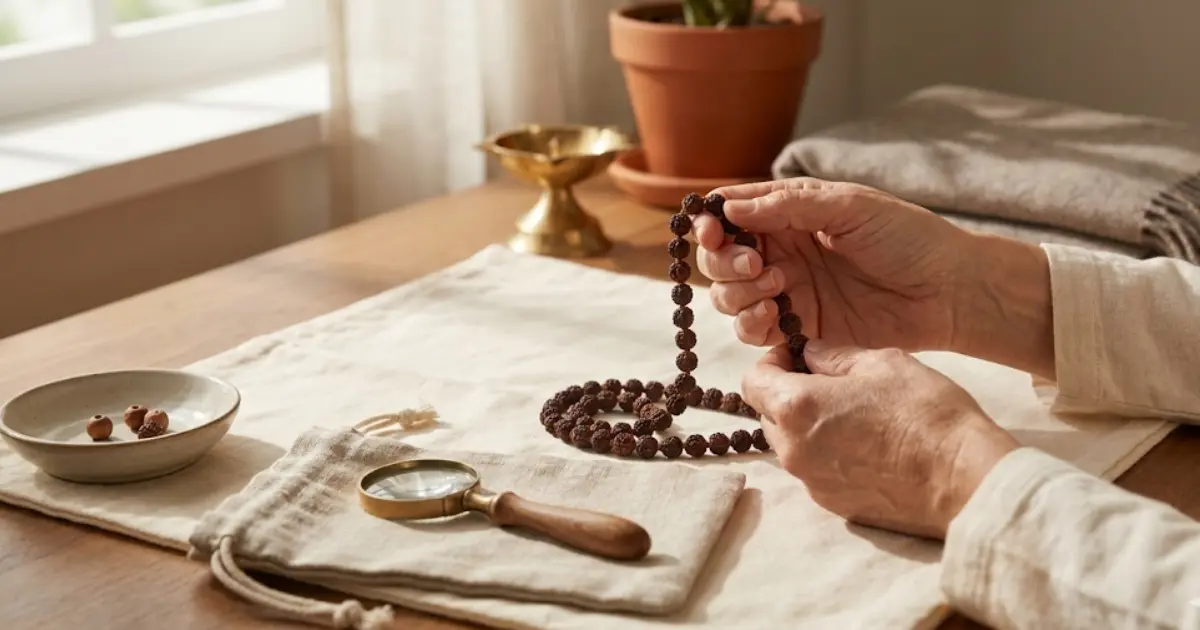
Even after purchase, responsibility does not end. Proper testing, handling, and care help preserve both the physical condition and the symbolic value of a mala. Simple at-home checks can offer reassurance, while respectful maintenance ensures longevity.
This section focuses on practical care habits that align with tradition without requiring complex rituals or professional tools. Proper care practices reinforce confidence in where to buy authentic mala beads that are meant for long-term use.
Home tests can include visual inspection, magnified checks of mukhi lines, and verifying bead uniformity. For crystals, check for internal fractures and clarity.
These are first-step checks; lab X-rays are definitive for some claims. These tests are helpful after choosing where to buy authentic mala beads, especially when professional verification is unavailable.
authentic buddhist mala beads should be stored away from dampness and not mixed with perfumes or chemicals. Clean natural beads with a soft cloth, avoid soaking unless specified, and recharge with gentle sunlight or specific rituals per tradition.
Preservation sustains both material and ritual life. Correct storage habits support buyers who carefully choose where to buy authentic mala beads for spiritual practice.
Repair worn knots promptly. Use silk or cotton cord typical to the tradition and re-knot between beads when the mala is restrung. Many artisans offer restringing services.
Treating the mala with respectful handling preserves its symbolic energy. Maintenance knowledge adds long-term value after deciding where to buy authentic mala beads of good craftsmanship.
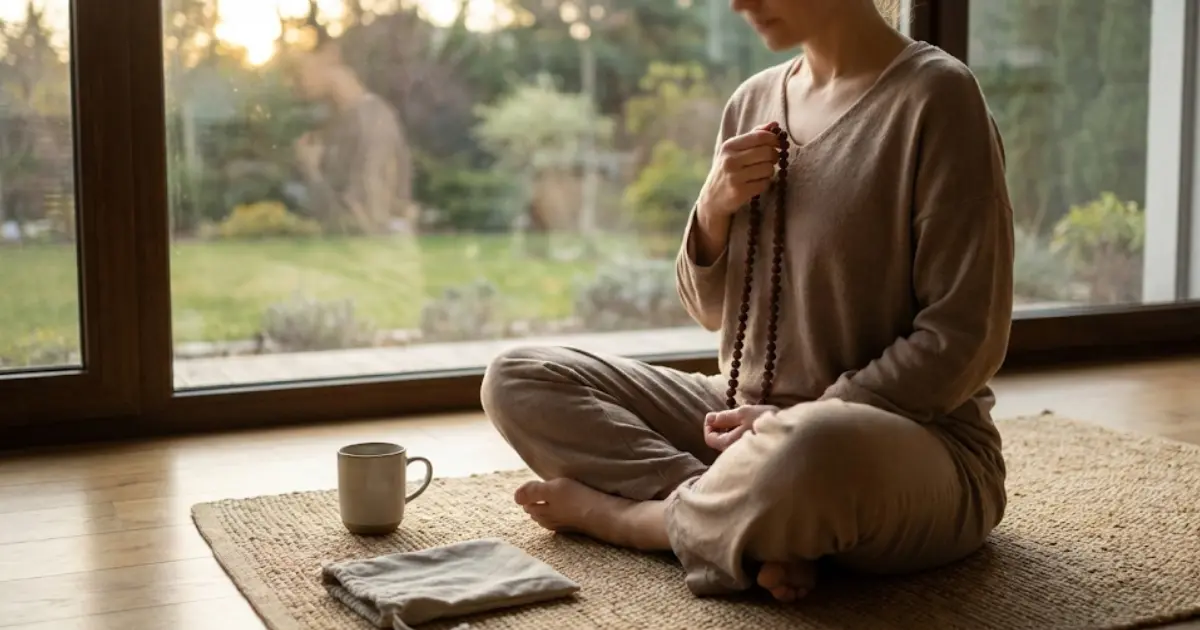
Beyond facts and verification, emotional clarity plays a role in meaningful purchases. A mala should feel appropriate for your intention and comfortable in daily use. Learning to recognize hesitation, pressure, or discomfort helps you pause before making regretful decisions.
Emotional confidence supports rational judgment and reinforces the idea that authenticity is both external and personal. Emotional clarity strengthens decision-making about where to buy authentic mala beads, beyond technical checks alone.
mala bead bracelet meaning varies: for some it is a discreet reminder of practice, for others it is a devotional sign. Choose a form you will wear and use consistently.
If a mala feels inauthentic to you, walk away. Authenticity includes both material truth and personal resonance. Personal resonance often guides where to buy authentic mala beads that will actually be worn and used.
If a seller refuses returns, provides poor photos, or pressures you to buy, pause. Reputable sellers allow time for inspection and offer clear policies.
Trust your intuition and the checks above. Recognizing these red flags helps buyers reconsider where to buy authentic mala beads before committing.
Decide based on your practice, care ability, and how often you will use the mala. Durable materials and good knotting reduce long-term replacement costs and support ongoing practice.
Balancing these elements leads to confident decisions about where to buy authentic mala beads that truly fit your needs.
| Material | Typical Count | Typical Use | Dimraj Traders Products |
| Sphatik (Quartz) + Rudraksha | 108+1 | Clarity, japa, healing, protection, Shiva, devotion | Sphatik Crystal Rudraksha Mala / Necklace 108+1 Beads |
| Rudraksha | 108+1 | Protection, Shiva devotion | Divine 7 Mukhi Rudraksha Mala 108+1 |
| Rudraksha | 54 | Protection, Shiva devotion | Ultimate Rudraksha 7 Mukhi 54 Beads |
| Haldi (Turmeric) | 108+1 | Purity rituals, specific traditional uses | Haldi Mala / Turmeric Mala 100% Natural & Original 108+1 beads |
| Gomti Chakra & Vaijayanti | Set pieces | Vastu, Lakshmi puja, wealth rituals | Gomti Chakra pack with Free Vaijayanti Mala |
| Sandalwood (Chandan) | 108+1 | Calm, scent, devotional use | Chandan Mala / Sandalwood 108+1 |
Use the table to match your practice. If you need protection and a connection to Shiva, consider the various types of rudraksha.
If you want purification and clarity, sphatik and sandalwood are good starts. The table maps Dimraj Traders’ products so you can compare quickly.
Start with Dimraj Traders or local temple shops, then expand to specialist online stores and artisan sellers. Verify photos, reviews, and return policies. For online searches, use beads mala online and where can I buy authentic japa mala beads to locate sellers.
Look for continuous mukhi lines, natural holes, and seek X-ray or lab certification for rare mukhi counts. Magnification and seller transparency are useful first steps.
A japa mala, 108 beads, is used for full mantra cycles while a bracelet or 54-bead mala is a compact or wearable variant. Choose based on practice length and comfort.
Natural sandalwood aroma may mellow but remains detectable for years if the wood is genuine and oiled. Proper storage preserves scent. Scientific studies discuss oil composition and adulteration risks.
Mala beads number reflects traditional counts like 108 that correspond to practice cycles and symbolic meanings; pick counts matching your lineage or personal rhythm.
54 beads rudraksha mala benefits include portability and convenience. Effectiveness depends on practice consistency rather than sheer bead count.
Sphatik is commonly worn for clarity and is used daily by many practitioners. Treat it respectfully and keep it clean.
A well-made mala can last years if restrung when knots wear and stored carefully; high-value malas may last decades. Ask your seller about restring options.
Many sellers list japa mala 108 beads with bag options; check product pages for accessories and search specifically for japa mala 108 beads with bag when shopping.
Marketplaces can be safe if sellers have strong reviews, high-quality photos, and clear return policies. Use payment protections and prefer specialist stores when buying rare items.
Buying a mala is not about speed or trends. It is about alignment, understanding, and respect for tradition. When you combine knowledge of materials, bead counts, authenticity signs, and ethical sourcing, the buying process becomes calm and intentional.
A well-chosen mala supports consistency, focus, and personal connection. Clarity and patience ensure that the mala you choose serves you for years, not just moments. This clarity becomes especially important when deciding where to buy authentic mala beads, because thoughtful choices protect both tradition and personal practice.
Short recap: the 9 key steps to choose wisely
Recap the steps: set intention, learn materials and counts, inspect authenticity clues, compare online and local sources, assess price vs value, request provenance, test and care, trust your instincts, and decide.
These steps help you make calm, confident purchases. Following these steps creates a reliable framework for choosing where to buy authentic mala beads without confusion or regret.
How to apply these steps when browsing (step-by-step checklist)
Make a shortlist, request close-up photos, confirm return policies, and ask for lab tests for high-value pieces. Use the table and FAQs above as quick references. This checklist simplifies decisions when comparing where to buy authentic mala beads across different sellers and platforms.
A closing note on ethics: honoring traditions and artisans
Buying authentic mala beads supports artisans and protects sacred traditions. Prefer transparent sellers who describe sourcing and respect cultural practices.
When in doubt, choose care over haste. Ethical awareness should always guide where to buy authentic mala beads, ensuring respect for artisans and spiritual heritage.