Physical Address
2958, Second Floor,
Arya Pura, Roshan Ara Road,
Delhi – 110007, India
Email Address
ceo@dimrajtraders.com
dimrajtraders24@gmail.com
Phone Numbers
+91 98998 59299
+91 95609 80298
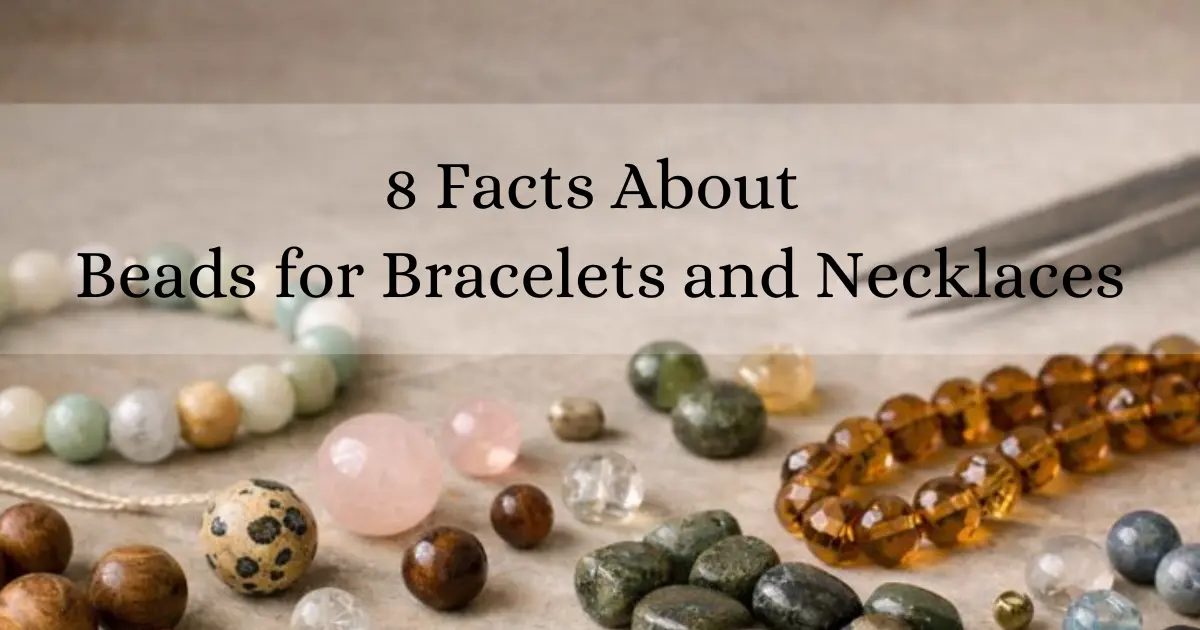
Beads for Bracelets and Necklaces are often chosen with the eyes first, but anyone who has worn, handled, or worked closely with beads for years knows that appearance alone never tells the full story.
A strand can look beautiful at first glance and still feel uncomfortable on the skin, lose its finish over time, or fail under regular use. Those disappointments usually trace back to material decisions made at the very beginning, long before the piece ever reached someone’s hands.
Through years of sourcing, testing, and selling Beads for Bracelets and Necklaces in our online store, one thing becomes very clear: materials matter more than trends.
We see how different beads behave in real conditions, how they respond to climate, skin contact, and repeated wear, and how small differences in quality change the overall experience.
This perspective comes from direct involvement with products, suppliers, and customer feedback, not assumptions or surface-level descriptions.
Choosing Beads for Bracelets and Necklaces is not just about color or shape. It is about understanding weight, durability, finish quality, authenticity, and comfort, all of which quietly influence how a piece performs over time.
This guide is built on hands-on experience, material knowledge, and careful evaluation, designed to help you avoid common mistakes and make informed decisions based on facts rather than guesswork.
If you have ever wondered why some pieces feel effortless to wear while others never quite work, this guide will help you approach Beads with confidence, clarity, and trust in the materials you choose.

When you begin a project or choose inventory, the single biggest decision is the material family you use. Glass offers bright, stable color and highly consistent sizing, gemstone beads bring natural variation and long-term polish retention, and wood gives lightweight warmth and organic texture.
Understanding those families helps you anticipate how beads will photograph, how they will age with body oils and sunlight, and how they will feel against skin over weeks and years.
Practical sourcing involves asking suppliers for drill specifications, finish details, and whether the material is dyed or stabilized, so you know exactly what you are getting when purchasing beads for bracelets and necklaces.
Materials carry stories and cultural meaning that influence buyer behavior. A wooden mala bead can suggest grounding and ritual, a translucent quartz bead can feel healing and classic, and vivid Czech glass often reads joyful and modern.
Designers who understand these emotional cues create collections that match the wearer’s intentions; always ask whether the beads for bracelets and necklaces you choose should speak quietly, loudly, or somewhere in between.
Natural, untreated materials develop patina and subtle color shifts that many buyers prize, while processed or stabilized materials deliver uniform color, predictable sizing, and easier mass production.
If you are selling finished pieces, disclose whether the beads for bracelets and necklaces are natural, dyed, or treated because care, cleaning, and aging will differ accordingly.
Physical properties such as porosity, cleavage, and hardness explain common performance differences between materials. Hardness correlates with scratch resistance but not always with toughness, which determines how likely a bead is to chip on impact.
For authoritative context on how hardness and other factors affect wearability, consult gemology resources that discuss the Mohs scale and overall durability.

Durability is compound. A bead that resists surface scratches but shatters on impact is not ideal for an everyday bracelet, and a bead that is tough but porous may stain from lotions and sweat.
Prioritize combinations of surface hardness, internal toughness, and finish stability for pieces meant to be worn daily. When you select beads for bracelets and necklaces for daily use, think about the wearer’s routine and pick materials that match that routine to reduce repairs and returns.
Stress concentrates at the clasp, knots, crimps, and where beads with thin walls meet the stringing material. Reinforce these points with crimp covers, bead tips, or knotting techniques so the beads for bracelets and necklaces do not fail at the weakest interface.
Porous or low-fired ceramics, untreated turquoise, and some composite materials are more prone to chipping or staining compared with dense stones like agate or quartz. For designs intended for frequent wear, avoid fragile materials or protect them in settings that limit direct impact and abrasion.
Clients who exercise, sweat, or swim expose beads to salts, chlorine, and abrasion that accelerate wear. Recommend non-porous, chemically stable beads and corrosion-resistant findings for those who need truly daily-wear beads for bracelets and necklaces.
Drilling quality, hole diameter, and bead wall thickness determine which cord, wire, or thread you can safely use. Ill-fitting stringing material leads to friction, abrasion, and eventual failure even when the beads themselves are durable.
Match cord diameters and thread types to bead hole sizes and confirm tolerances with suppliers so assembled beads for bracelets and necklaces survive normal movement.
Centered, smooth drill holes reduce side loading and abrasion on stringing material. Off-center or jagged holes force uneven tension that can cause breakage. Always inspect a sample batch for consistent hole alignment before placing a large order of beads.
Round, symmetrical beads distribute tension evenly and create predictable drape, while asymmetrical shapes can cause uneven loading that twists or stresses the stringing material.
When mixing shapes, add spacers or supportive elements so beads for bracelets and necklaces maintain their shape and integrity.
Microcracks created during drilling or molding may not be visible until after assembly. A short stringing test simulates normal wear and usually reveals construction-related failures before they reach customers who buy beads.

Weight affects perceived value, but also the practical comfort of a piece. Heavier beads can feel luxurious but increase stress on clasps and threads, potentially shortening the useful life of a piece worn every day. Balance heavier focal beads with lighter spacers so beads for bracelets and necklaces keep visual presence without causing wearer fatigue.
Light materials, such as small glass beads or wood, let you create larger, more layered designs with minimal fatigue, while dense gemstones and metal beads add substance but may be tiring over long wear. For everyday pieces, target a balanced overall mass so beads for bracelets and necklaces remain comfortable.
Weight influences whether a necklace rests steady or swings freely and whether a bracelet flips on the wrist. Designers test prototypes to refine weight distribution so that beads for bracelets and necklaces move as intended.
Creative strategies such as alternating heavy focal beads with lighter spacers or using hollow metal components preserve a substantial look while controlling mass. Aim for a feel that matches the wearer’s expectations when choosing beads for bracelets and necklaces.

Surface finish governs how a bead will age. Plating, lacquers, and coatings extend life but are not invulnerable. Sterling silver tarnishes through reaction with sulfur compounds in the air and body oils, forming silver sulfide; understanding these chemical mechanisms helps you choose finishes that last and advise customers on care.
Different treatments serve different goals. Electroplating adds metal layers that can wear with friction, while lacquer coatings protect porous surfaces but may scratch.
Ask suppliers for finish specifications and testing data so you know how beads for bracelets and necklaces will behave under real-world conditions.
Thin plating over reactive base metals can flake and expose substrates that stain skin or cause allergic reactions. For items worn close to the skin, use hypoallergenic findings and avoid materials known to release reactive ions that could irritate sensitive users. Dermatology resources recommend avoiding nickel-containing alloys for those with a known sensitivity.
Surface defects such as pits, bubbles, or uneven polish often indicate low manufacturing standards. Inspect under strong light and request close-up photos or sample swatches before purchasing beads for bracelets and necklaces at scale.
Transparent sourcing protects value and performance. Natural gemstones, sustainably harvested woods, and high-quality glass each have different handling and aging profiles compared with synthetics. Demand treatment disclosures, batch photos, and provenance notes so you can correctly describe and care for beads for bracelets and necklaces.
Basic tactile checks help detect fakes: natural stones feel cooler and heavier than plastic, wood shows visible grain, and high-quality glass has a distinct sound and shine. When possible, verify high-value items with lab reports or trusted third-party documentation before selling beads as premium items.
Reputable suppliers provide test certificates, clear treatment disclosure, and origin statements. These details reduce risk for buyers and retailers who handle beads for bracelets and necklaces in their collections.
Plastics and low-grade composites often lose color, warp, or delaminate under UV and moisture exposure. For products expected to last, prefer materials with documented stability and ask suppliers for accelerated aging results when sourcing beads for bracelets and necklaces.

Design intent must guide material selection. A travel-friendly, low-maintenance bracelet needs different beads than a ceremonial necklace meant for occasional wear. Match beads for bracelets and necklaces to expected use, wearer habits, and the care you plan to offer.
Durability and ease of care matter for pieces worn daily. For occasional or ceremonial items, you can select more delicate materials, but be explicit about storage and handling so buyers understand how to protect beads.
Techniques such as knotting, threading, or wirework interact with material choice. Soft, small beads work better in knotted designs, while rigid, large beads suit wire frames. Choose beads for bracelets and necklaces that match the fabrication technique to avoid assembly and wear problems.
A beautiful finish that flakes or an unstable dye that runs under moisture is worse than a less flashy but stable alternative. Prioritize wearer safety and longevity over short-term visual effects when selecting beads for bracelets and necklaces.
A disciplined inspection routine prevents costly returns. Sample a small quantity, measure diameter tolerances, verify hole sizes, and run a short stringing test to identify potential failures. Use these checks for any supplier you depend on for beads for bracelets and necklaces.
In good light, examine strands for consistent drilling, polish, and color. A tensile test on a finished prototype shows whether beads will hold up to everyday tension and movement.
Even small variances in diameter and hole size accumulate in long necklaces. Check a representative sample across each shipment so your beads for bracelets and necklaces assemble smoothly and evenly.
Functional quality wins repeat buyers. Prioritizing standards such as wall thickness, hole quality, and finish durability makes beads reliable products that reduce after-sales issues.
How do I choose beads for everyday bracelets?
Choose hard, non-porous materials and test a prototype under movement and moisture to simulate normal wear. Prefer corrosion-resistant findings and balanced weight so that beads for bracelets and necklaces handle daily life without frequent maintenance.
Can wooden beads be used daily?
Yes, with care. Wooden beads accept oiling to restore moisture and resist cracking; however, they are sensitive to water and prolonged exposure to sweat, so warn customers who want beads for bracelets and necklaces that daily exposure shortens life without proper care.
What bead hole size do I need for elastic cord?
Match the cord diameter to the bead hole and confirm tolerances with your supplier. Many 6 to 8-millimeter beads accept 0.8 to 1.0-millimeter holes, but verify before ordering large quantities to avoid friction and failure in beads for bracelets and necklaces.
Will plated beads tarnish quickly?
Plating longevity depends on thickness and base metal. Thicker, higher-quality plating and solid alloy findings resist tarnish longer. Educate buyers that beads for bracelets and necklaces with thin plating will show wear faster, and recommend suitable care to extend life.
Are imitation beads a bad choice?
Imitations are useful for cost-effective, colorful fashion lines. They typically do not age like natural materials, so be transparent when selling beads for bracelets and necklaces about expected longevity and care.
How do I prevent skin reactions to bead jewelry?
Avoid nickel-containing alloys and use hypoallergenic metals such as titanium or surgical-grade stainless steel for findings. Label materials and suggest patch testing for sensitive users so beads for bracelets and necklaces are safe for a wider customer base.
Is heavier always better for perceived value?
Not always. While weight can imply value, balance, and comfort influence perceived quality most for wearable pieces. Use heavier beads sparingly and support them with lighter spacers sothe beads for bracelets and necklaces remain wearable.
How should I store mixed-material bead jewelry?
Store pieces flat in soft pouches and separate porous materials from reactive metals to minimize chemical interactions. Proper storage preserves finishes and prevents unwanted transfers for beads for bracelets and necklaces.
What simple tests can I do before buying beads in bulk?
String a representative sample, inspect the hole and surface quality under bright light, and perform a light tensile test to reveal assembly weaknesses. These checks avoid surprises when producing beads for bracelets and necklaces at scale.
Choosing Beads for Bracelets and Necklaces is ultimately about making decisions that respect both the material and the person who will wear it.
When you look beyond surface appearance and take time to understand weight, durability, finish, authenticity, and comfort, the difference becomes obvious.
Pieces made with thoughtful material choices tend to last longer, feel better on the skin, and remain part of daily life instead of being set aside.
From years of hands-on experience sourcing, testing, and selling Beads for Bracelets and Necklaces, one truth stands out clearly: quality reveals itself over time.
Materials tell the truth once they are worn, handled, and exposed to real conditions. This is why informed selection matters more than trends or assumptions. Knowledge, not guesswork, is what protects value and builds long-term trust.
When you approach Beads for Bracelets and Necklaces with clarity and intention, every choice becomes easier. You begin to recognize which materials suit everyday wear, which require extra care, and which align best with purpose and comfort.
That understanding creates confidence, whether you are selecting beads for personal use or evaluating them as part of a larger collection.
Ultimately, the best results emerge from respecting materials, relying on proven experience, and making choices with honesty and care. With the right knowledge, Beads for Bracelets and Necklaces stop being just components and become reliable, meaningful parts of something that truly lasts.