Physical Address
2958, Second Floor,
Arya Pura, Roshan Ara Road,
Delhi – 110007, India
Email Address
ceo@dimrajtraders.com
dimrajtraders24@gmail.com
Phone Numbers
+91 98998 59299
+91 95609 80298
Tulsi japa mala often enters a person’s life quietly, through a temple visit, a family prayer space, or a suggestion from someone who has practiced japa for years. It may look simple at first, but with regular use, it begins to shape the way prayers are experienced.
The steady movement of the beads, the sense of tradition, and the familiarity of touch naturally guide the mind toward calm, focus, and a more settled prayer routine.
From years of working closely with devotional products and hearing directly from people who use them daily, it is clear that a tulsi japa mala is chosen for practical reasons, not trends.
People turn to it to build consistency, reduce mental distraction during chanting, and bring a deeper sense of intention into daily prayers. These benefits develop gradually through regular practice and are supported by long-standing tradition and real-world experience.
This article explains the five most meaningful benefits in a clear, honest way, so readers can understand how this simple tool supports inner peace, focus, and daily prayer in everyday life.
The Tulsi Japa Mala holds a unique place in daily prayer because the plant itself is treated as sacred in many Hindu traditions. Households commonly place a tulsi plant in a central courtyard and involve tulsi leaves in ritual worship.
This cultural reverence for tulsi informs why a tulsi mala is chosen by devotees rather than beads made from other materials.
The Tulsi mala connects a physical material that has long religious significance with the repetitive practice of japa, so the object carries both symbolic and practical meaning.
Tulsi is regarded as an earthly manifestation of a goddess and is closely associated with devotional worship in Vaishnava traditions. That long-standing reverence shapes how Tulsi-based ritual items are perceived.
A Tulsi japa mala is therefore often seen as purer or more appropriate for certain mantras and practices because of the plant’s symbolic links to devotion and protection in scripture and living custom. These cultural associations help explain the tulsi mala’s special status in many homes and temples.
Tulsi wood is botanically different from commonly used materials such as sandalwood, rudraksha, or gemstone beads. Tulsi is fvalued not just for its scent but for its cultural meaning and its place in ritual life.
Where wood choice matters, Tulsi is chosen partly for symbolic reasons and partly because its light, warm texture is comfortable to handle during long periods of recitation. When a practitioner uses a tulsi japa mala, they are using a material that is both tactile and culturally resonant.
Traditional sources and living practice link tulsi to concepts of purity, devotion, and household protection. The plant is integrated into religious observances and is often present at rites of passage and regular puja routines.
This association means a tulsi japa mala is not just a counting tool; for many, it is an extension of devotional practice and a material reminder of religious values.
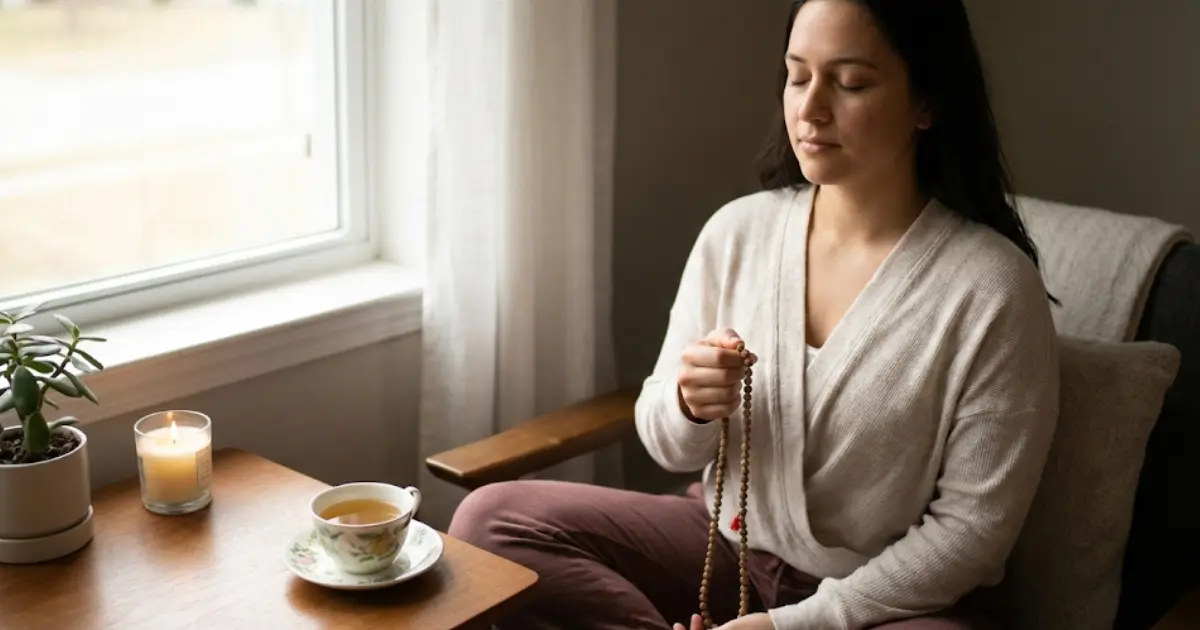
A Tulsi japa mala supports inner peace because the object carries calming ritual associations and because repetitive chanting itself tends to reduce stress responses.
For people who practice regular japa, the tulsi mala can help mark time, create a predictable ritual, and provide a gentle focus point.
Research on mantra meditation shows consistent reductions in stress and anxiety measures in many studies, so when a tulsi mala is used for mantra repetition, it contributes to a calmer mental state in ways that are supported by research on mantra practice.
When devotees use a tulsi japa mala, the plant’s sacred associations often make the practice feel more intimate and protected.
This emotional context can reduce the inner friction that often accompanies meditation and prayer for beginners. The combined effect of ritual framing and tactile practice helps many people settle more quickly.
Sacred objects shape expectations and attention. Using a tulsi japa mala signals to the mind that this time is prayerful and distinct from ordinary tasks.
That subtle shift in framing can free attention from everyday worries and make the act of repeating a mantra more absorbing and less interrupted by peripheral thoughts. The psychological effect is comparable to other ritualized cues that direct attention toward reflection or prayer.
A short pre-prayer routine that includes handling the tulsi japa mala, taking a breath, and setting a simple intention can make the japa session more peaceful.
The Tulsi mala functions as a ritual cue that initiates quiet behavior, and repeated use conditions the mind to transition into a calmer state more easily over time. Combining the Tulsi mala with consistent timing and place strengthens that calming habit.
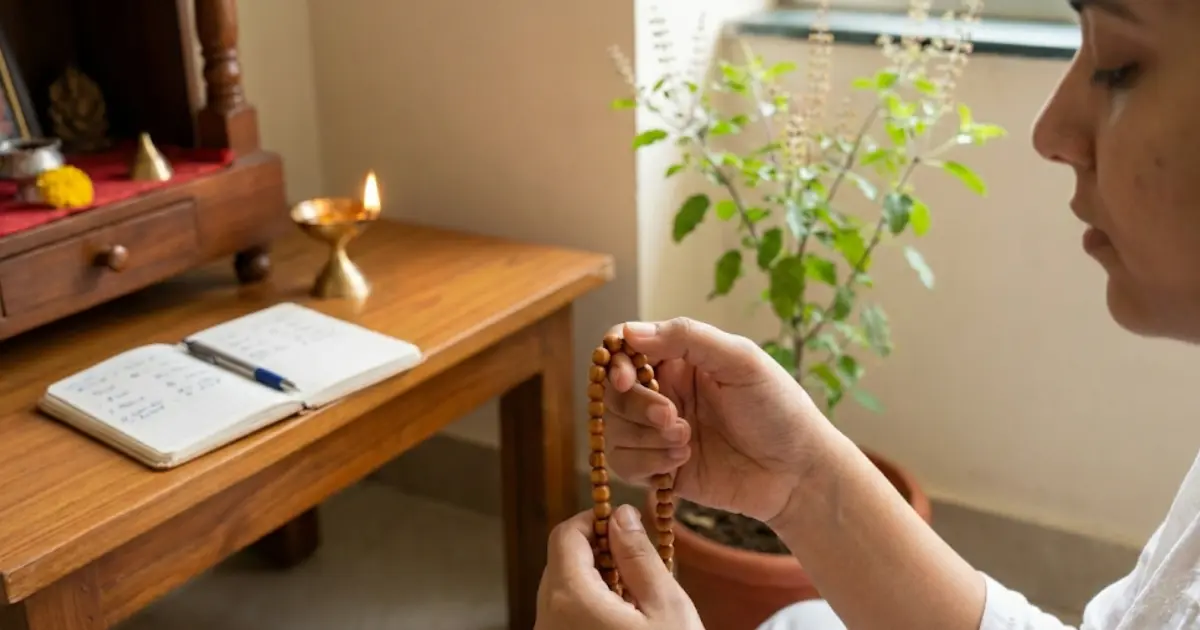
The Tulsi japa mala helps improve focus by providing a steady tactile rhythm to count mantras, which reduces reliance on fluctuating attention and anchors the mind. Repetition with a physical point of contact is one of the simplest tools for maintaining attention during mantra recitation.
When attention wanders, returning to the bead in the hand gives a reliable, low-friction cue to resume practice. This tactile support is particularly useful during longer recitations or when a practitioner is learning to sustain attention for even a few minutes.
A tulsi japa mala lets practitioners use one hand to track each mantra silently while the other hand stays free or rests. The physical act of moving from bead to bead creates a small, repeated action that reduces the cognitive load of counting, allowing the mind to place emphasis on the mantra itself. This simple mechanical aid often increases the effective duration and quality of focused practice.
Counting beads gives the mind something small and consistent to do when thoughts drift, which reduces the tendency to chase stray thinking.
For many people, the tulsi japa mala works as a low-level anchor that makes it easier to notice distraction and gently redirect attention to the mantra without harsh self-criticism. This practical benefit is one reason tactile prayer tools are used across religious traditions.
For longer japa sessions, a tulsi japa mala helps break the practice into manageable units. Physically completing rounds of 108 beads or other counts gives the practitioner natural stopping points and micro-goals that sustain motivation.
Over time, these micro-structures help the brain learn to sustain concentration for longer stretches, which is a practical route to improving attention during prayer and meditation.
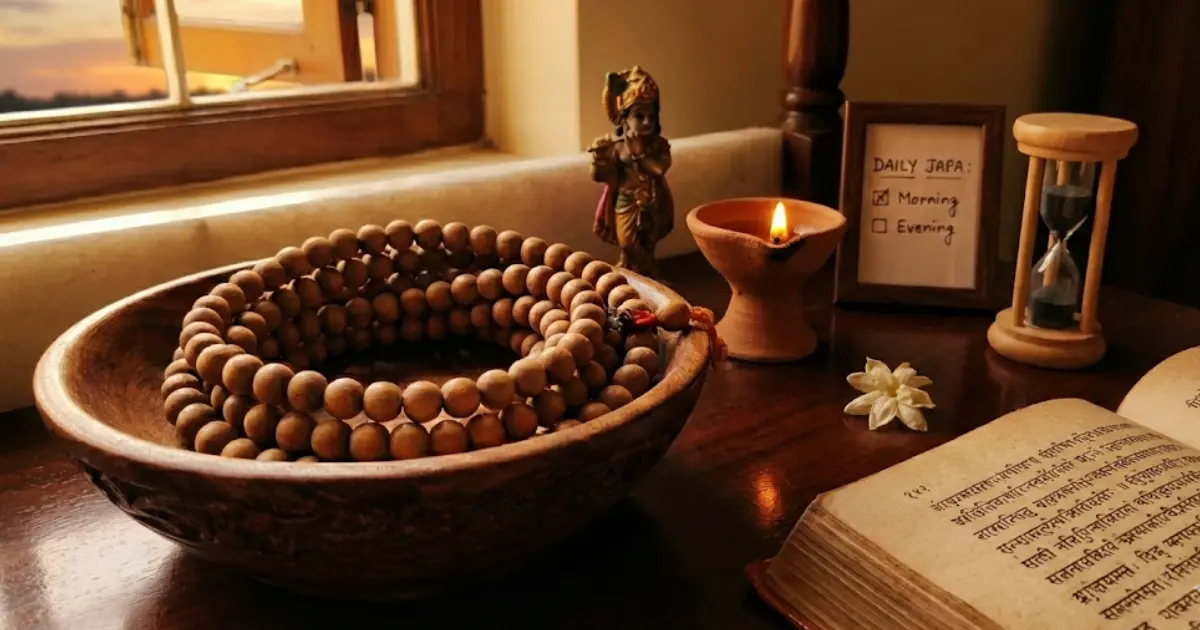
A Tulsi japa mala encourages discipline because of cultural expectations about its care and use, and because the physical object serves as a visible commitment. Many households treat a tulsi mala with particular care, keeping it in a clean, honored place and handling it respectfully.
That experience of caring extends into practice: when an object feels respected, people are more likely to form regular habits around it. The Tulsi Mala, therefore, supports both the external routine and internal motivation to maintain daily prayers.
In many traditions tulsi is associated with purity and ritual cleanliness. These cultural meanings encourage users to treat the tulsi japa mala as an object that calls for attention to personal behavior and environment when practicing. Respecting the Tulsi mala becomes part of a broader discipline that reinforces regular prayer habits.
Traditional schedules, such as morning and evening puja, provide clear windows for japa use. A Tulsi japa mala placed near an altar or a consistent prayer spot becomes an environmental cue that reliably triggers practice.
The psychological literature on habit formation shows that repeating an action in a consistent context gradually makes the activity automatic. In practical terms, a Tulsi mala is an effective contextual cue for daily prayer.
When an object is invested with meaning and ritual value, practitioners often experience a gentle sense of responsibility to maintain the practice.
A Tulsi japa mala can positively carry that sense of duty, reminding the practitioner to return to the prayer practice even during busy or stressful days. Over time, this sustained commitment can become an important part of personal spiritual discipline.
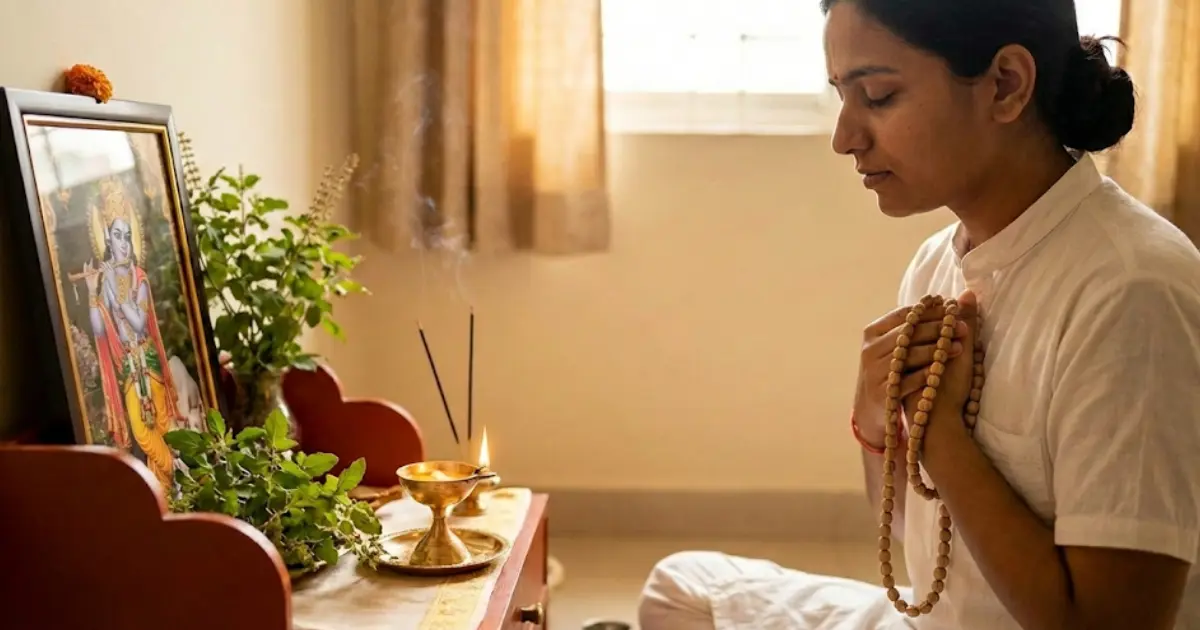
A Tulsi japa mala deepens a devotional connection because its material and symbolic qualities reinforce the emotional tone of prayer. For many devotees, the feel and smell of tulsi, along with its sacred associations, intensify the sense that chanting is an offering rather than a mere habit.
This deepening of feeling can make prayers more meaningful and attentive, which in turn supports the spiritual goals that motivate japa practice.
Tulsi has long been linked to bhakti traditions where devotion and surrender are central. Using a Tulsi japa mala situates the practitioner within that lineage and can encourage a devotional posture that colors the entire prayer session. This cultural continuity matters for people who want their daily prayers to feel connected to a larger living tradition.
Choosing Tulsi for a mala is a deliberate material decision that influences emotional engagement. Materials matter because they carry sensory cues and cultural meanings.
When the material aligns with the prayer’s intention, practitioners report stronger feelings of sanctity and connection during recitation. The Tulsi japa mala often performs this role well because of the plant’s reputation and presence in ritual life.
A Tulsi japa mala is a portable reminder of devotional aims. Holding the beads can cue an inward attitude of surrender and focus. For those practicing bhakti or devotional mantras, this reminder supports the emotional tone of their practice and provides a reliable anchor for returning to a devoted state.

A Tulsi japa mala often helps practitioners carry spiritual awareness into daily life because the object becomes a subtle reminder of intention. When the mala is placed in a visible or frequently used location, it signals the practitioner’s values and calls attention back to them during ordinary tasks.
This transfer effect helps integrate prayer and mindfulness into daily routines, which supports lasting inner peace and steady attention.
Keeping a tulsi japa mala near a workspace, bedside table, or altar provides gentle prompts to pause and recollect during the day. Even a single touch or glance can recall the prayer intention, offering pockets of awareness that interrupt autopilot behavior. Over time, these small recollections help sustain a broader spiritual outlook.
Objects that are treated with respect can shape behavior through cues and ritual meaning. A Tulsi japa mala is one such object. Its presence in ordinary settings nudges practitioners toward mindful choices, such as pausing before reacting or taking three conscious breaths when stress arises. These micro-practices add up and support a mindful life anchored by devotional intention.
Simple practices such as touching the tulsi japa mala before meals or after uncomfortable events create repeated opportunities to bring attention back to core values. This practical use of the Tulsi Mala helps maintain awareness without requiring formal meditation time, making spiritual practice more resilient in busy lives.
Below is a concise table that summarizes the key practical benefits of using a Tulsi Japa Mala for daily prayer and spiritual practice. The table is designed to help readers decide which aspects matter most for their personal routine.
| Benefit area | What to expect | Practical tip |
| Inner peace | Reduced stress and calmer mood with regular chanting | Use a short daily slot of 5 to 10 minutes |
| Focus | Better attention during recitation | Use finger movement on beads to anchor attention |
| Discipline | More consistent prayer habit | Keep the Tulsi mala visible at your prayer spot |
| Devotion | Stronger devotional feeling and meaning | Choose mantras aligned with your tradition while using the mala |
| Everyday awareness | More frequent mindful pauses | Touch the Tulsi mala at transition moments in your day |
Why is Tulsi considered sacred for prayer use?
Tulsi is considered sacred because it is associated with goddess figures and has a long history in devotional practice. The plant is embedded in ritual life and is regarded as purifying in many traditions. This cultural and scriptural association explains why items made from the plant, like a tulsi japa mala, are valued for prayer.
Can Tulsi mala be used for daily prayers?
Yes. A Tulsi japa mala is intended for regular japa and daily prayers. Many practitioners use it every morning and evening as part of their puja. Using a Tulsi mala daily reinforces habit and creates a familiar ritual structure that supports long-term practice.
Is Tulsi mala suitable for beginners?
Absolutely. Tulsi japa mala is accessible for beginners because it provides tactile support for counting and helps simplify the process of sustaining attention. Beginners often find a Tulsi mala an easy and meaningful way to start a consistent prayer routine.
How is Tulsi mala different from rudraksha mala?
The primary differences are material and cultural association. Rudraksha beads are seeds with a different set of traditional meanings and often different ritual uses. Tulsi japa mala is chosen for its link to devotional practice associated with Tulsi, while rudraksha may be preferred in other spiritual contexts. The practical function of counting and aiding attention is similar across both types.
Can Tulsi prayer beads be worn or only used for chanting?
Practices vary. Some people wear a tulsi japa mala as a sign of devotion, while others reserve it for chanting and keep it on an altar when not in use. Cultural norms and personal preferences determine how the Tulsi Mala is handled, but both approaches are common in living practice.
How should Tulsi mala be cared for?
Care is simple: keep the Tulsi Japa Mala clean, store it respectfully, and avoid exposing it to harsh chemicals or unnecessary dirt. Some practitioners gently wipe the beads and keep them in a cloth bag or on the altar when not in use. These practices respect the tulsi mala’s ritual role and help preserve the material.
Can women use Tulsi mala for prayers?
Yes. Women commonly use a Tulsi japa mala in daily prayers. Gender does not restrict the use of the Tulsi Mala; devotional practice is open to all sincere practitioners who follow their community’s customary rules.
Does Tulsi mala help with focus during chanting?
Yes. Using a tulsi japa mala provides a tactile anchor that reduces distraction and supports sustained attention during chanting. The bead-to-bead movement gives the mind a steady object to follow, which is particularly useful for those learning to maintain focus in recitation.
Is a specific mantra required when using Tulsi beads?
No single mantra is required. Different traditions recommend different mantras. The Tulsi Japa Mala is a neutral tool that supports whatever chant or prayer aligns with the practitioner’s tradition. Selecting a mantra that resonates personally is more important than choosing a “correct” mantra for the material itself.
How often should the Tulsi mala be used for best results?
Start small and consistent. Daily short sessions of five to fifteen minutes are effective for beginners. Over time, you can lengthen practice as it feels appropriate. Consistency is the key factor in seeing benefits; the Tulsi Japa Mala works best when used regularly rather than only occasionally.
In the end, the value of a Tulsi japa mala lies in how quietly and consistently it supports daily practice. It does not promise instant transformation or dramatic results. Instead, it works through repetition, intention, and habit.
Over time, this steady use helps create a calmer inner state, better focus during prayers, and a deeper sense of connection with one’s spiritual routine.
These outcomes are not abstract ideas but practical shifts that many practitioners notice as prayer becomes more grounded and less distracted.
What makes this practice last is its simplicity. A Tulsi japa mala does not demand complex techniques or rigid rules. It fits naturally into daily life, whether prayers are short or extended, structured or personal.
When used with awareness and consistency, it becomes more than a devotional object. It becomes a reliable companion in prayer, helping maintain balance, discipline, and inner peace in a way that feels natural, respectful, and sustainable over time.