Physical Address
2958, Second Floor,
Arya Pura, Roshan Ara Road,
Delhi – 110007, India
Email Address
ceo@dimrajtraders.com
dimrajtraders24@gmail.com
Phone Numbers
+91 98998 59299
+91 95609 80298
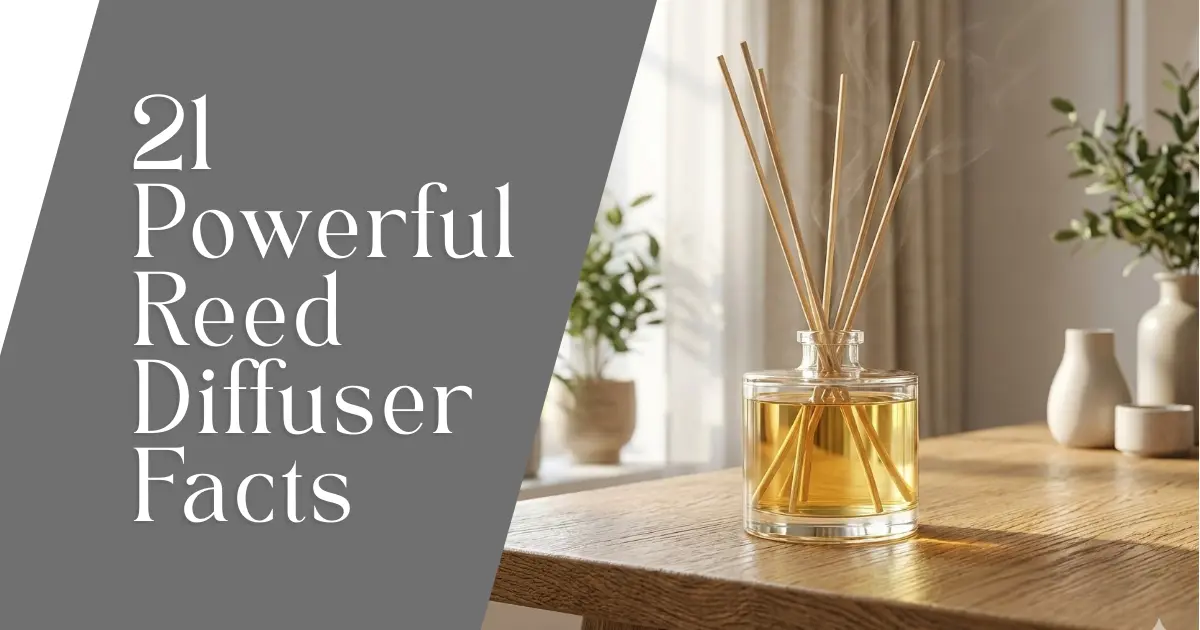
A reed diffuser often enters our lives quietly. It might begin as a gift from a friend, a small purchase made while browsing a home store, or something we noticed in a hotel room that felt strangely calm and comforting.
At first, it looks simple. A glass bottle, a gentle liquid inside, and a few slender sticks reaching upward. Nothing dramatic. And yet, within hours, the air around it begins to change.
The room feels warmer. Softer. More alive. That is when most people realize that the diffuser is not just about fragrance. It is about atmosphere.
Many homes carry invisible stories through scent. The morning calm of a bedroom, the welcoming comfort of a living room, the quiet freshness of a bathroom after the day ends.
This diffuser slowly weaves itself into these moments without noise, without smoke, without switches or flames. It simply works in the background, becoming part of daily life in a way that feels natural and effortless.
But behind this quiet beauty lies a world of questions that almost every user experiences sooner or later. One day, the fragrance feels perfect. Another day, it seems to disappear.
You start wondering if your reed diffuser is broken, if the oils are wrong, or if you placed it in the wrong spot.
If you have pets, especially cats or dogs, a new layer of worry enters the picture. Is this safe for them? Is the air in your home still healthy? And then curiosity grows even further.
What is actually inside this fragrant oil? How do these simple sticks pull scent into the air without heat, mist, or electricity?
These questions are not just technical. They are emotional. They come from real daily experiences inside real homes. This guide was written for those exact moments of curiosity, confusion, and quiet concern.
It is built not on guesswork but on real-world usage, documented product behavior, and established safety guidance.
By the time you reach the end of this guide, you will no longer look at The diffuser as just a decorative object. You will understand how it works, why it sometimes fails, how to fix it, how to use it safely in every space, and how to make it serve your home better.
This is not just a guide to fragrance. It is a guide to understanding the silent companion that shapes the invisible mood of your everyday spaces.
Reed diffuser are one of the simplest, longest lasting and most elegant ways to fragrance a home.
As a fragrance products specialist who has studied industry supplier specs, safety guidance and hands-on testing notes from leading brands, I wrote this in-depth guide so you can understand, set up, troubleshoot and safely enjoy a fragrance diffuser with confidence.
Every claim below is backed by industry sources and veterinary safety guidance listed where they matter most.
A diffuser quietly releases fragrance into a room by drawing scented liquid up narrow channels in the sticks and allowing the aroma to evaporate into the air.
People love a diffuser because it provides continuous, flame-free fragrance that requires virtually no maintenance, looks decorative, and works in spaces where candles are impractical.
Reed Diffuser delivers a steady background scent that supports mood, ritual, and atmosphere without short-lived peaks and flames of a candle.
A diffuser is popular for living rooms, bedrooms, and bathrooms because it is low-maintenance. Use a diffuser when you want a subtle, lasting scent rather than a sharp, fast burst.
This diffuser works through capillary action. The porous rattan or similar stick material soaks up the fragrance mixture from the bottle, and the liquid climbs up microscopic channels in the stick.
As the scent reaches the exposed tip, it evaporates into the surrounding air, creating a passive dispersion of fragrance. This process requires no heat and no electricity, which is why a this diffuser is considered a safe, silent option for continuous scent.
Reed diffuser sticks are purposely selected for their micro channels. Many manufacturers use rattan sticks for their abundance of tiny air tubes that aid capillary movement.
Synthetic sticks exist, too, but natural rattan remains the industry standard because it balances absorption and evaporation, giving a more predictable scent throw. When you flip the sticks, you refresh the surface area and help more fragrance evaporate for a temporary boost.
How long a These diffusers lasts depends on bottle size, fragrance concentration, number of sticks, and room conditions.
Typical lifespans range from 2 to 4 months for a standard-sized bottle, with some premium diffusers lasting even longer when larger bottles and fewer sticks are used. Expect shorter life in warm, well-ventilated rooms and longer life in cooler, stable spaces.
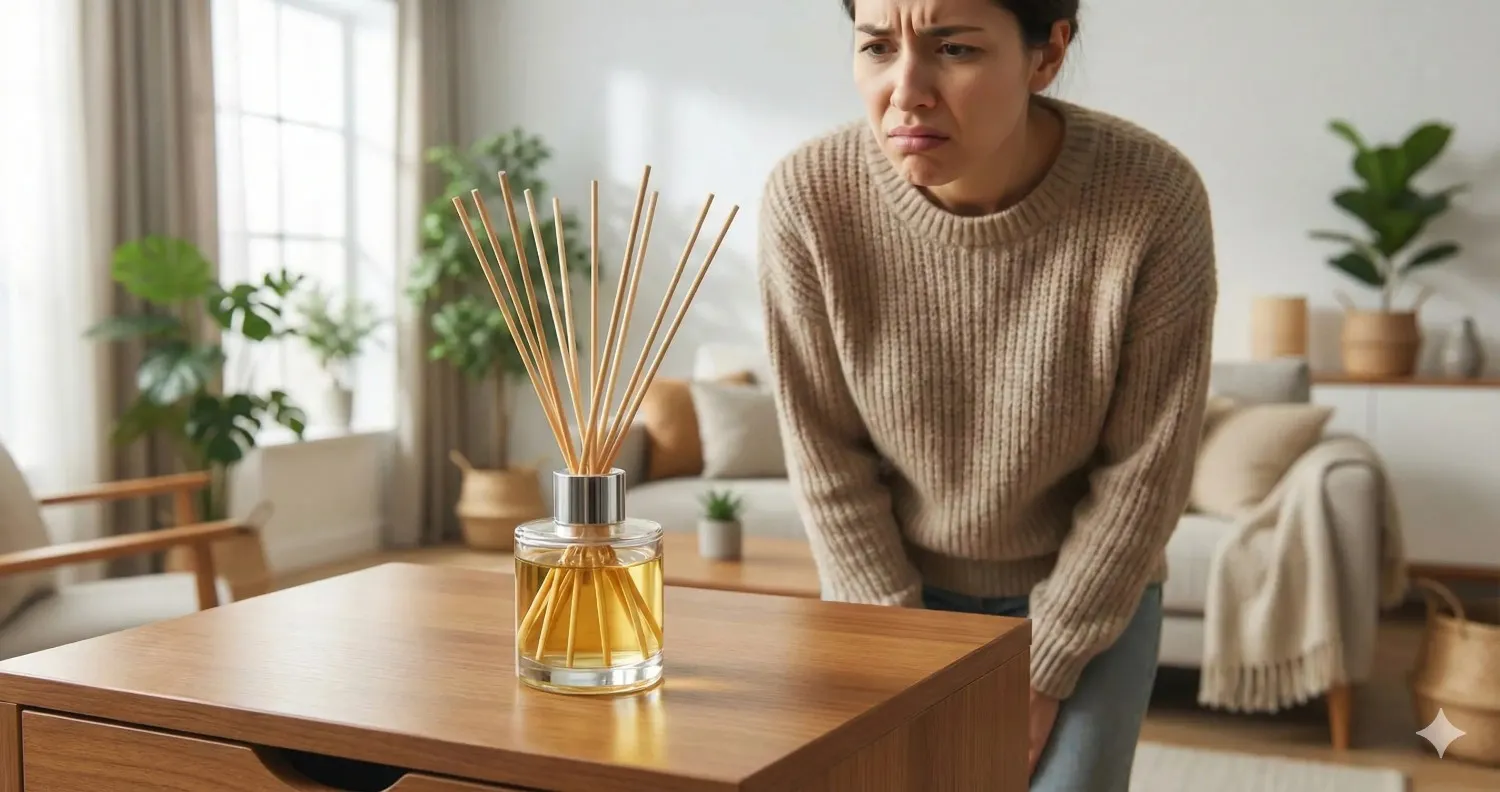
A diffuser can look fine yet underperform. Read this section to learn the subtle reasons. The next short checklist will help you troubleshoot quickly.
Common causes when a diffuser is not working include wrong stick type, clogged or coated reeds, extremely low fragrance concentration, or poor placement – for example, where there is no gentle airflow.
Check the label for the recommended stick type and ensure sticks were given an initial full immersion and a flip to prime them.
If your Reed Diffuser does not smell, the oil may be too diluted, the reeds could be clogged with dust, or the room conditions may be preventing evaporation (very cold, extremely humid or totally sealed rooms).
Flipping sticks, increasing the number of sticks or moving the diffuser to a more open location often restores scent.
Olfactory fatigue can make a scent seem to disappear for you personally while others still smell it. If the oil level is fine but you cannot smell it after a few days, ask someone else to confirm.
Rotate placement or switch scent notes periodically. Also consider replacing sticks if they have quickly turned dark or saturated with particles.
Placement is the most underrated part of this diffuser performance. A diffuser in the wrong spot will feel weak.
Place a diffuser on a stable, flat surface close to the center of the room’s main airflow path but out of direct sunlight and heat sources.
Avoid placing a diffuser directly next to windows where sunlight and heat increase evaporation and shorten life.
Use a diffuser near but not on high-traffic surfaces. Ideal spots include the corner of a bookshelf, entry console, bedside table and bathroom vanity away from steam.
A diffuser in a small room or ensuite with a closed door will make a small bottle feel stronger than the same bottle in an open plan living area.
Scent fade from a diffuser typically happens because the concentration drops over time, the reeds become saturated and less effective, or environmental factors increase evaporation. Humidity, heat, and direct sunlight raise the diffusion rate and shorten the usable life.
To preserve scent, keep a diffuser away from heat and sunlight, flip reeds weekly for a controlled burst, and top up before the bottle is empty to maintain volatilization balance.
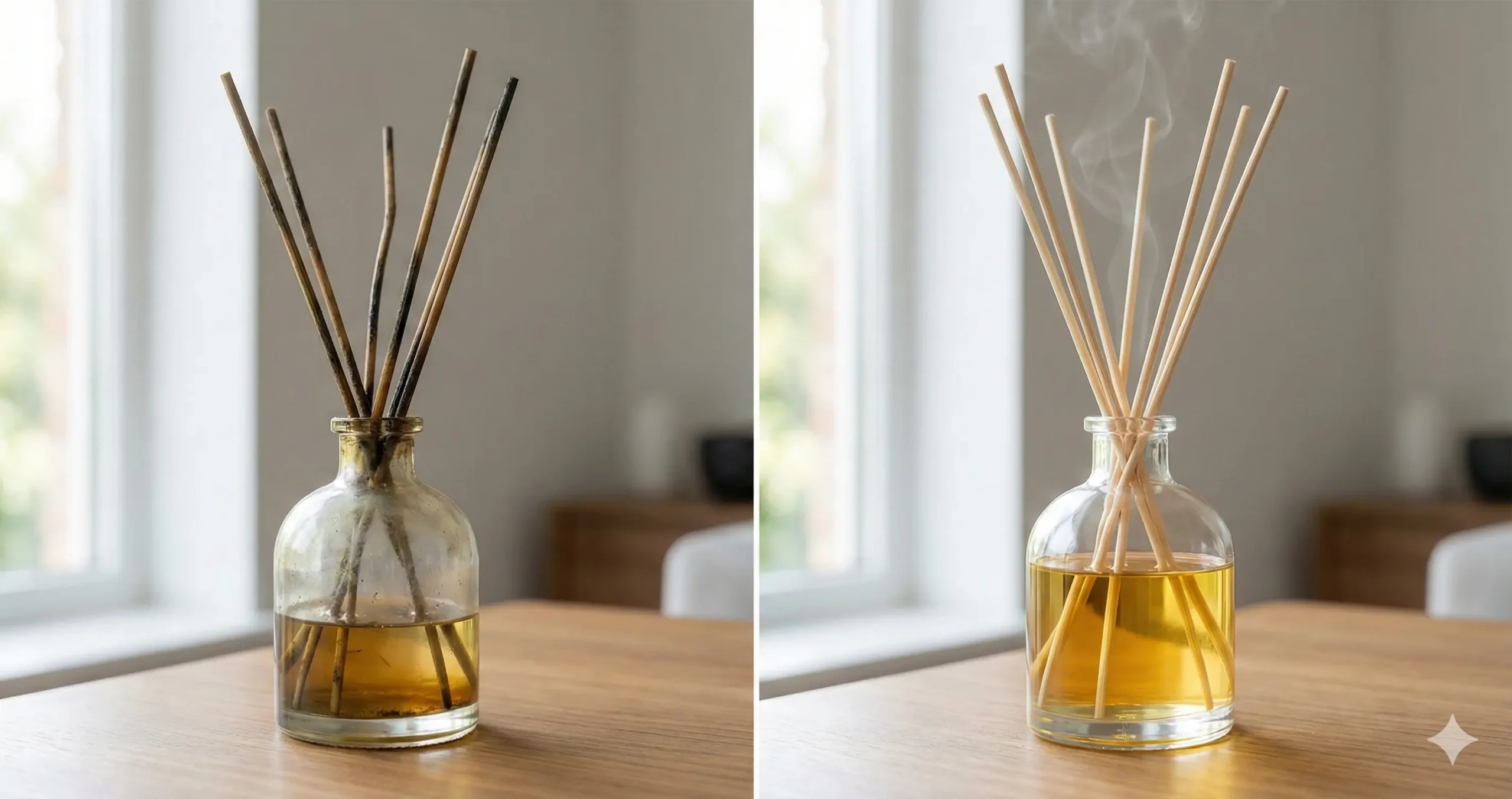
Change sticks when they become visibly dark, clogged or brittle, or if flipping no longer yields a scent boost. For many diffusers this is every 4 to 8 weeks, depending on usage and environment. Using fresh quality rattan sticks ensures consistent capillary action.
Replace diffuser oil once the fragrance becomes faint and replacing sticks and flipping does not help, or when the bottle is nearly empty. For hygiene and scent clarity, many users refresh oils every 2 to 4 months, aligning with the typical life span noted earlier.
A diffuser oil is usually a blend of fragrance compounds and a carrier solvent that controls the evaporation rate. The fragrance component is either an essential oil blend or a synthetic perfume accord.
The carrier is chosen to allow controlled release – common carrier solvents include dipropylene glycol and specialized diffuser bases. These carriers are colorless, low odor, and designed to slow evaporation so a reed diffuser delivers a gentle, sustained scent rather than an immediate, intense burst.
Many commercial diffuser bases are primarily dipropylene glycol or similar glycol, which mix well with fragrance oils and regulate release.
Suppliers and lab data show DPG (dipropylene glycol) is widely used because it is stable, has low volatility, and blends easily with fragrance compounds.
Some natural or organic brands use alternative carriers, but check the label if you prefer alcohol free or plant-derived carriers.
Most quality sticks are made from rattan, a porous palm wood with many tiny channels. Rattan allows consistent capillary action.
Cheaper sticks may be bamboo, plastic, or poorly processed fibers that do not wick evenly, causing poor scent throw or premature saturation.
Reed diffuser sticks are not designed for indefinite reuse. Reusing sticks can mean that trapped dust or oil residues reduce efficiency.
If you must reuse, clean them thoroughly and test the scent, but replacing sticks with fresh rattan is usually the best way to restore full performance.
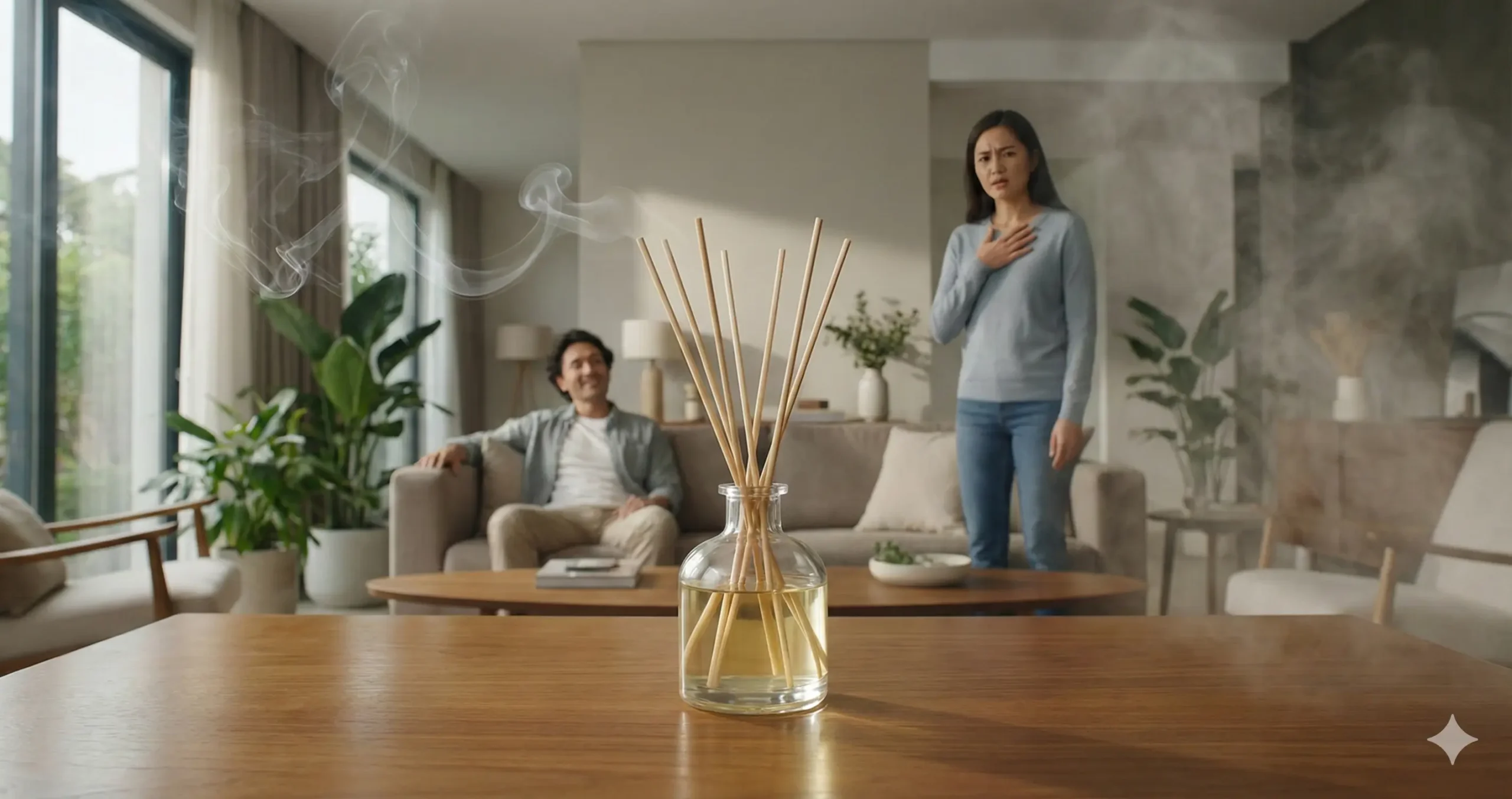
Generally, a diffuser used as directed is safe for most homes. However, the safety profile depends on ingredients. Fragrance oils often contain concentrated perfume compounds, and not all components are benign at high exposure.
Look for reputable brands that disclose ingredients and adhere to International Fragrance Association recommendations. When used responsibly, a diffuser offers a low-risk fragrance solution compared to open flame options, but users should follow safety steps.
Cats are more sensitive to many essential oils and concentrated fragrance chemicals because they lack certain liver enzymes needed to metabolize specific compounds.
The ASPCA and veterinary guidance caution that essential oils and strong fragrances can be risky for cats, especially if they come into direct contact with concentrated oils or experience constant strong airborne exposure.
If you have cats, choose low-concentration scents, place the diffuser where the cat cannot access or groom the sticks or oil, and consult a vet if you notice symptoms like drooling, lethargy, or respiratory distress.
Dogs tolerate some fragrances better than cats, but can still react to certain essential oils and chemical blends.
Keep diffusers out of reach and consult a veterinarian on specific oil safety. When in doubt, use mild, tested fragrance blends and monitor pets for changes.
Fragrance compounds are volatile organic compounds. Depending on formulation, a reed diffuser can release small amounts of VOCs into indoor air.
High-quality products aim to minimize harmful substances and avoid known irritants. If indoor air quality is a concern, choose diffusers whose brands list ingredients and adhere to safety standards.
Reed Diffuser marketed as using essential oils sometimes contain diluted or blended essential oils rather than pure single oils. Essential oils are natural but concentrated.
Some individuals are sensitive to specific plant oils. For sensitive households, avoid heavy camphoraceous oils and seek fragrance options with clear ingredient transparency.
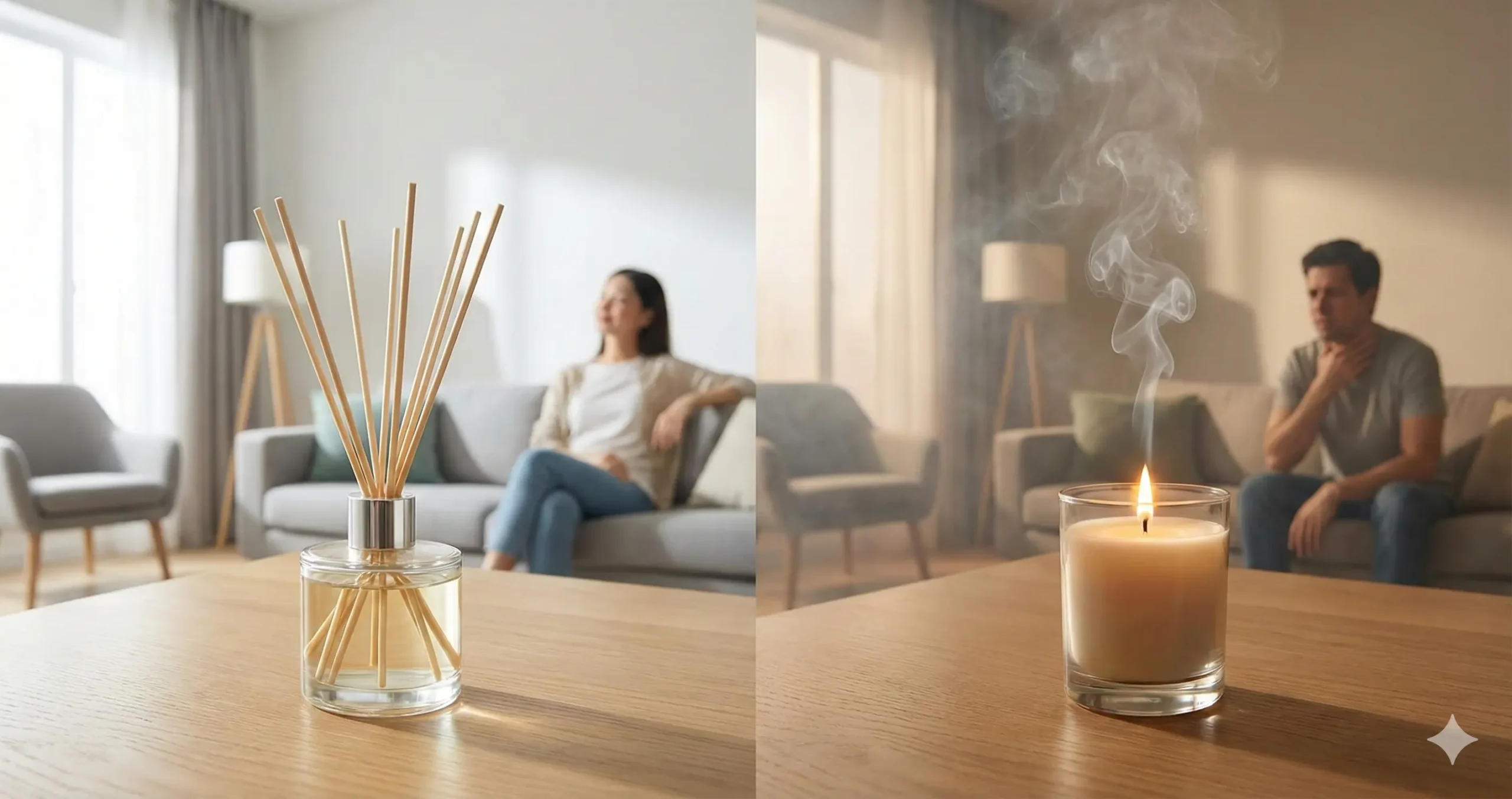
Both diffusers and scented candles alter home fragrance but differ in risk profile. A candle burns and produces combustion byproducts and soot, while a diffuser slowly emits volatile fragrance components.
For households with small children, pets, or smoke sensitivity, a diffuser offers flame-free scent and no soot, making diffuser the lower fire risk option.
However, if ingredient safety is the priority, check both product labels for phthalates, parabens, or other additives and choose brands that publish their formulation and safety testing.
An ultrasonic electric diffuser uses water and essential oils to create a cool mist, while a diffuser uses capillary action and evaporation.
Electric diffusers can produce a more immediate aromatic effect and are useful for aromatherapy with pure essential oils, but require cleaning and electricity.
The diffuser is maintenance-free and silent. Choose a reed diffuser when you want low maintenance, and choose electric if you need controlled bursts or misted aromatherapy.
Some diffuser oils are formulated for passive evaporation and contain carrier solvents not intended for ultrasonic devices.
Using diffuser oil in electronic diffusers can clog or damage equipment. Many manufacturers advise against using reed diffuser formulas in electric diffusers because composition differences can harm the device.
Start with two or three sticks for smaller bottles and add one stick at a time if you need a stronger scent. More sticks increase evaporation and shorten the bottle life.
For open living areas, use fewer sticks in a larger bottle or consider multiple smaller diffusers strategically placed.
Bathrooms are humid and often have strong odors. Use a reed diffuser designed for humid conditions and place it away from steam to prevent rapid evaporation.
A smaller bottle is ideal in a bathroom because the concentrated air will make a small quantity feel stronger.
For car use, choose compact diffusers designed for vehicles and ensure the reed sticks are secure. Avoid full-sized home reed diffuser bottles in vehicles because the spill risk is high, and concentrated liquid could damage surfaces or be harmful if contacted.
Do not assume diffuser oil is interchangeable with ultrasonic diffusers. Reed diffuser oil formulas often include carriers like DPG or alcohol, which are not suitable for ultrasonic devices and can clog or damage them. Use oils and dilutions recommended by your electric diffuser manufacturer.
If you want the aroma of a reed diffuser in an electric format, buy essential oils or aromatic blends specifically labeled for ultrasonic or heat diffusers. That approach protects the device and yields better misting and scent control.
The best diffuser balances ingredient transparency, bottle volume, stick quality, and scent profile. Look for brands that list carriers and fragrance components, use quality rattan sticks, and offer refill options.
Consider whether you want an essential oil-based or fragrance oil-based reed diffuser, and choose based on sensitivity and personal preference.
Buying a diffuser set with refills and extra reeds can be more sustainable and economical. Sets also help you match scale to room size.
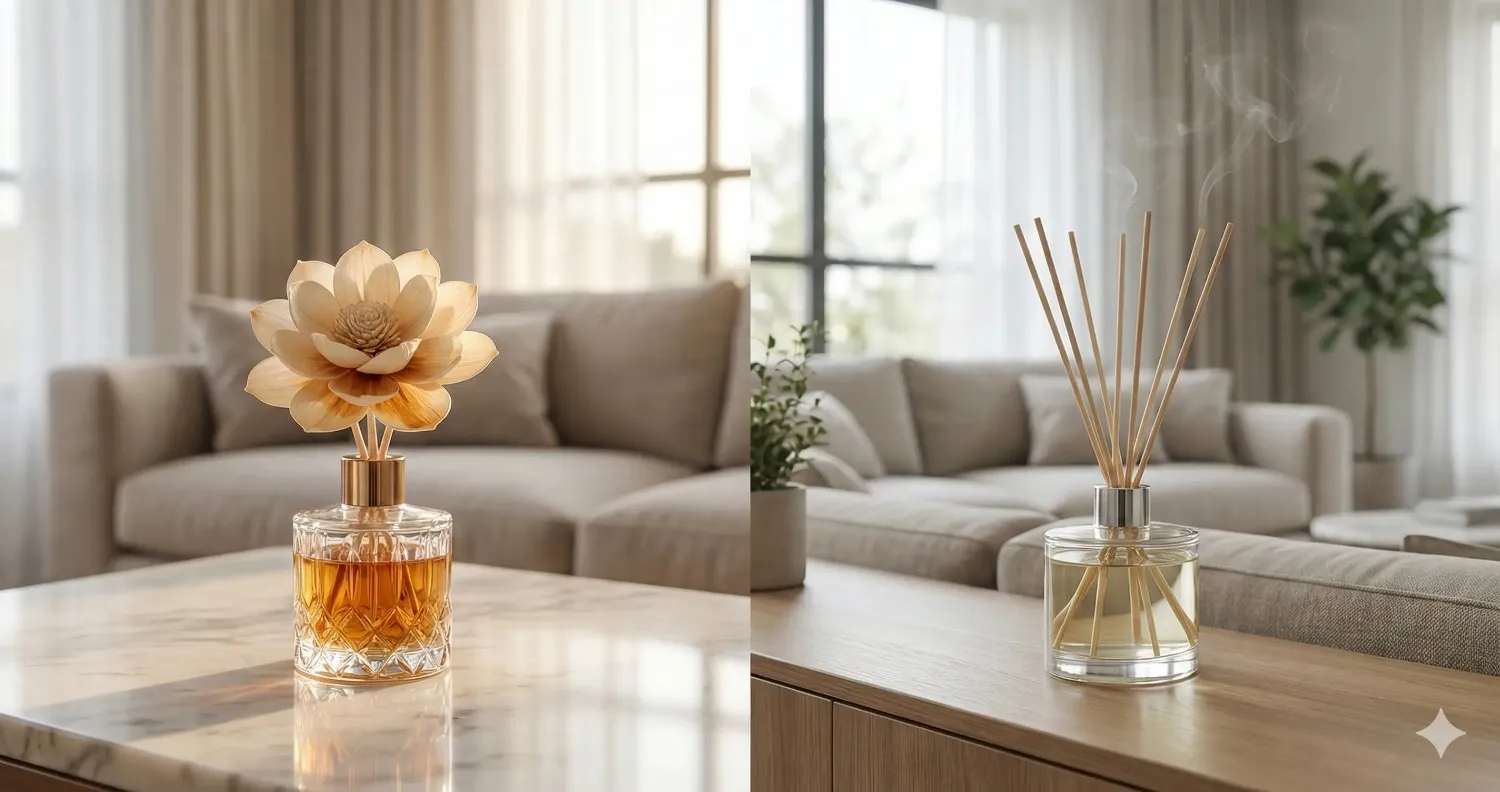
Decorative diffusers with dried flowers are visually appealing but can sometimes interfere with capillary flow if flowers block the opening. Choose arrangements designed specifically for reed diffusers to avoid reduced performance.
A traditional stick-based diffuser gives the most reliable performance. Sticks are designed to wick and release scent efficiently.
Follow manufacturer guidelines, but a practical approach is to fill the bottle to the recommended level and start with two to three reeds. If you want more intensity, add one stick at a time and wait 24 hours between adjustments. Monitor how quickly the level drops and adjust the frequency of refills accordingly.
To use a reed diffuser properly: place the bottle on a stable surface, remove the stopper, insert the recommended number of sticks, and fully immerse them for the initial prime.
Flip the sticks after 12 hours to begin even evaporation, then flip weekly for a freshness boost. Keep the diffuser away from direct sunlight and steady heat.
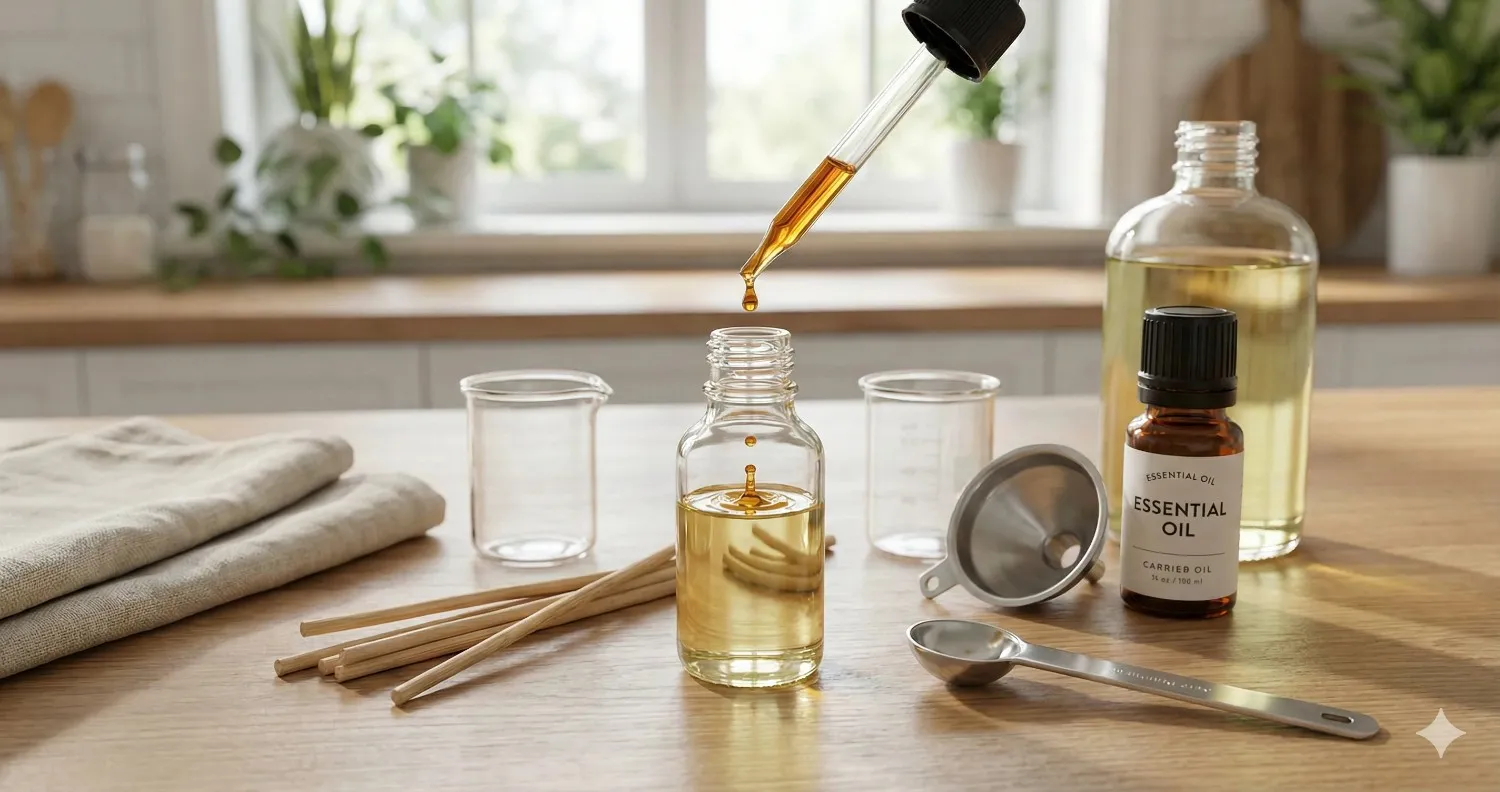
A DIY (Do It Yourself) reed diffuser is simple and cost-effective when you follow correct ratios and use safe ingredients.
A basic recipe uses a carrier such as dipropylene glycol or fractionated coconut oil blended with fragrance oil or essential oils at an appropriate dilution.
Avoid pure undiluted essential oils in the diffusers for pet safety and human sensitivity reasons. Use a narrow-neck bottle and quality rattan sticks. Label your bottle and store refills in a cool, dark place.
When sourcing carriers for a DIY diffuser, purchase from reputable suppliers and follow the supplier’s safety data sheets. Using DPG as a base is common in commercial formulations because it blends well and moderates evaporation.
To refill a diffuser: remove old sticks if they are clogged, clean the bottle mouth if needed, pour in new oil without overfilling, and reinsert fresh reeds. If you must reuse sticks, clean them thoroughly first, but expect weaker performance. Store refill bottles upright and tightly sealed to prevent fragrance loss.
| Aspect | Best Practice | Why it Matters |
| Oil type | Use manufacturer-recommended carrier and fragrance; for DIY use, DPG or fractionated carriers | Controls evaporation and device compatibility |
| Sticks | Quality rattan, replace every 4-8 weeks | Ensures steady capillary action |
| Longevity | 2-4 months, typically depending on size and environment | Sets user expectations |
| Safety | Keep away from children, pets, and surfaces; follow pet safety guidance | Prevents exposure and ingestion |
| Rooms | Place near airflow but away from heat and sunlight | Balances scent throw and life |
| Pets | Avoid in rooms where pets sleep or are groomed; consult a vet for oil safety | Protects sensitive animals |
| Refills | Use matched refills for best scent and performance | Maintains consistent evaporation and avoids device damage |
Why is my reed diffuser not working
If a diffuser is not working, confirm that sticks were primed, check for clogged reeds, and evaluate placement. Replace sticks or increase reeds gradually to test intensity.
Why does my reed diffuser not smell
A weak or absent scent may be due to dilution, poor stick quality, or olfactory fatigue. Flip reeds and ensure the bottle is not over-diluted.
Why can’t I smell my reed diffuser?
You may be experiencing nose adaptation. Ask another household member to confirm. If others also cannot smell it, replace sticks or move the reed diffuser to a different spot.
Where to put a reed diffuser
Place a reed diffuser on a stable surface near gentle airflow, away from sunlight, direct heat and out of reach of children or pets.
When to change reed diffuser sticks
Change sticks when they darken, clog, or stop producing scent when flipped, typically every 4-8 weeks.
What is Reed diffuser oil?
Reed diffuser oil is a blend of fragrance compounds and carrier solvent, often dipropylene glycol in commercial bases, formulated to control evaporation.
Are Reed diffusers safe?
Reed diffusers are generally safe when used as directed, but ingredient transparency matters. Choose brands with clear ingredient lists and follow safety precautions.
The Spruce
Is a reed diffuser safe for cats?
Cats are more vulnerable to essential oil toxicity. Keep reed diffusers out of reach, opt for low concentration blends and consult a veterinarian for pet-specific guidance.
How long reed diffuser last
Expect 2 to 4 months for most standard reed diffuser bottles; larger bottles and fewer sticks can extend lifespan.
How many reed diffuser sticks to use
Begin with two to three sticks in a small bottle and increase slowly. More sticks increase scent strength and reduce total lifespan.
A reed diffuser is a low-maintenance, elegant option to fragrance a home that suits modern lifestyles where safety and subtlety matter. Use a diffuser mindfully: choose transparent formulations, use quality rattan sticks, place diffusers thoughtfully, and observe pet safety guidance. With the setup tips and troubleshooting steps above, you can make any diffuser perform at its best and enjoy a long-lasting fragrance with minimal effort.