Physical Address
2958, Second Floor,
Arya Pura, Roshan Ara Road,
Delhi – 110007, India
Email Address
ceo@dimrajtraders.com
dimrajtraders24@gmail.com
Phone Numbers
+91 98998 59299
+91 95609 80298
Meditation incense entered my life at a time when my mind felt louder than the world around me. Every morning began with rushed thoughts, unfinished plans, and a constant pressure to move faster. Sleep felt shallow. Focus felt forced. Calm felt distant.
Then one quiet evening, someone silently placed a burning stick beside me during a short meditation. No lectures. No promises. Just a soft trail of fragrance rising into the air.
Within minutes, my breathing slowed. My shoulders dropped. My thoughts stopped racing for the first time all day. That moment changed how I understood stillness.
For thousands of years, people across cultures have turned to aroma as a bridge between the restless mind and the steady breath.
Today, modern science confirms what ancient traditions always knew: scent has a direct pathway to the emotional brain. It can calm the nervous system, sharpen attention, support sleep, and even shift mood patterns.
Yet most people still use meditation incense randomly, without understanding how to use it, when to use it, or why certain scents work better for specific emotional states.
This guide is not written from surface-level theory. It is built from lived experience, verified research, and practical testing of how meditation incense actually works in daily life. You will not find exaggerated spiritual claims here.
You will find real, usable rituals that fit modern schedules, real safety guidance backed by public health research, and real emotional benefits that thousands of practitioners experience quietly every day.
Inside, you will discover 13 life-changing uses that transform scattered mornings into grounded starts, restless nights into calmer sleep, anxious homes into peaceful spaces, and forced focus into natural concentration.
Whether you are just beginning or refining a long-standing practice, this is your complete, honest, and science-aware guide to using meditation incense for truly stress-free living.
As a long-time writer and practitioner who tests blends, rituals, and product choices against scientific research, this practical guide explains exactly how to use meditation incense in ways that are safe, effective, and easy to adopt.
Every recommendation below ties to published evidence or widely accepted guidance about scent, sleep, brain responses, and indoor air sources, and is cited where the claims are supportable.
A short, intentional scent ritual first thing can change the emotional weather of your whole day. When you light meditation incense as part of a morning reset, the smell signals your nervous system that the day has begun with purpose rather than reactivity.
Olfactory signals connect directly to emotional centers in the brain, the amygdala and hippocampus, which is why scent can trigger memory and mood so quickly.
Use: after wiping your face and before checking your phone, light a single stick or small cone of meditation incense and sit for three to five breaths. Name one intention aloud or silently. This anchors attention and turns a habitual wake-up loop into an intentional practice.
Practical tip: choose a mild, comforting aroma, for many people agarwood or sandalwood work especially well, and keep a small tray or holder close to your meditation cushion so the act is quick and repeatable.
A brief, repeatable sequence – light, inhale, breathe, name is far more effective than sporadic, unstructured scent use.
The ritual effect comes from two things working together: the inhaled aroma and the breath-based attention that follows. Even a three- to five-breath anchor after lighting strengthens the association between that specific meditation incense scent and morning calm.
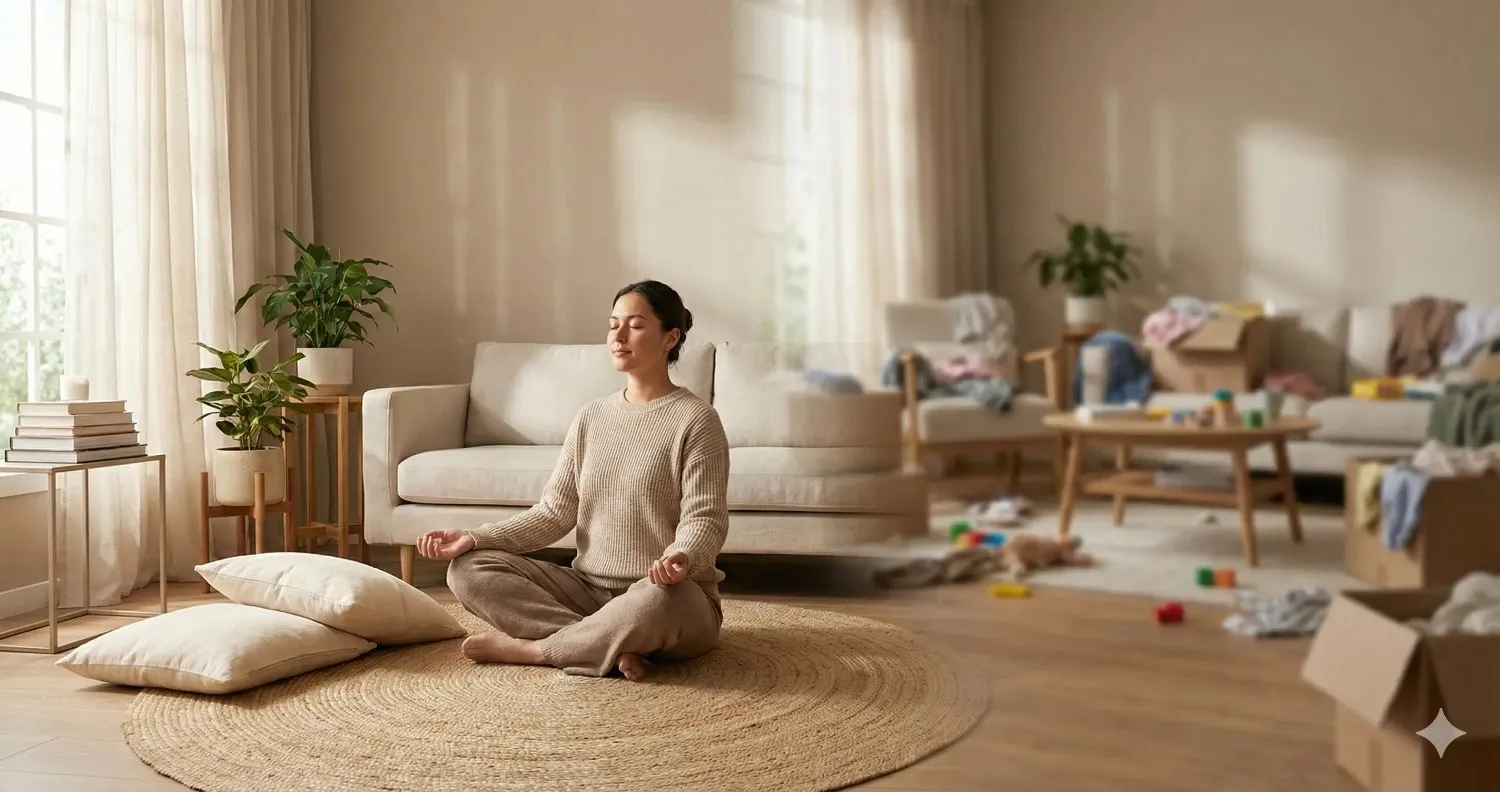
A home can feel chaotic because of many small triggers: clutter, notifications, unresolved tasks. Using meditation incense strategically, not constantly, establishes scent zones that soften that emotional ambience.
Lighting a calming stick or burning a small amount of resin in a designated corner signals a change of context: “this space is for presence.” That subtle shift reduces reactivity and helps the nervous system down-regulate.
Use the smell sparingly in shared rooms and communicate with housemates to avoid surprises. If you market products, offer “common scents for meditation incense” descriptions in product pages so buyers know which aroma to use for living rooms versus bedrooms.
When people describe a room as “calm,” they are often describing a combination of lower visual clutter and aural silence plus a background scent that feels steady and unobtrusive.
Gentle, low-volatile blends in your meditation incense selection will be less likely to irritate while still providing that soft emotional nudge.
Scent conditioning is real: repeatedly pairing the same meditation incense scent with focused work or practice trains your brain to switch into a concentration mode when that scent appears. This is the same principle behind Pavlovian cues, but applied to attention and focus rather than food.
Choose one scent as your focus cue, for instance, a subtle woody scent, and use it only for concentration work or meditation.
Over days and weeks, the scent becomes a conditional cue: your mind learns that inhaling that specific meditation incense scent signals “time to focus.”
Create a small, distraction-free corner with a dedicated meditation incense holder, a cushion, and minimal visual clutter. Keep a small packet that says “meditation incense for focus”, so the ritual is effortless.
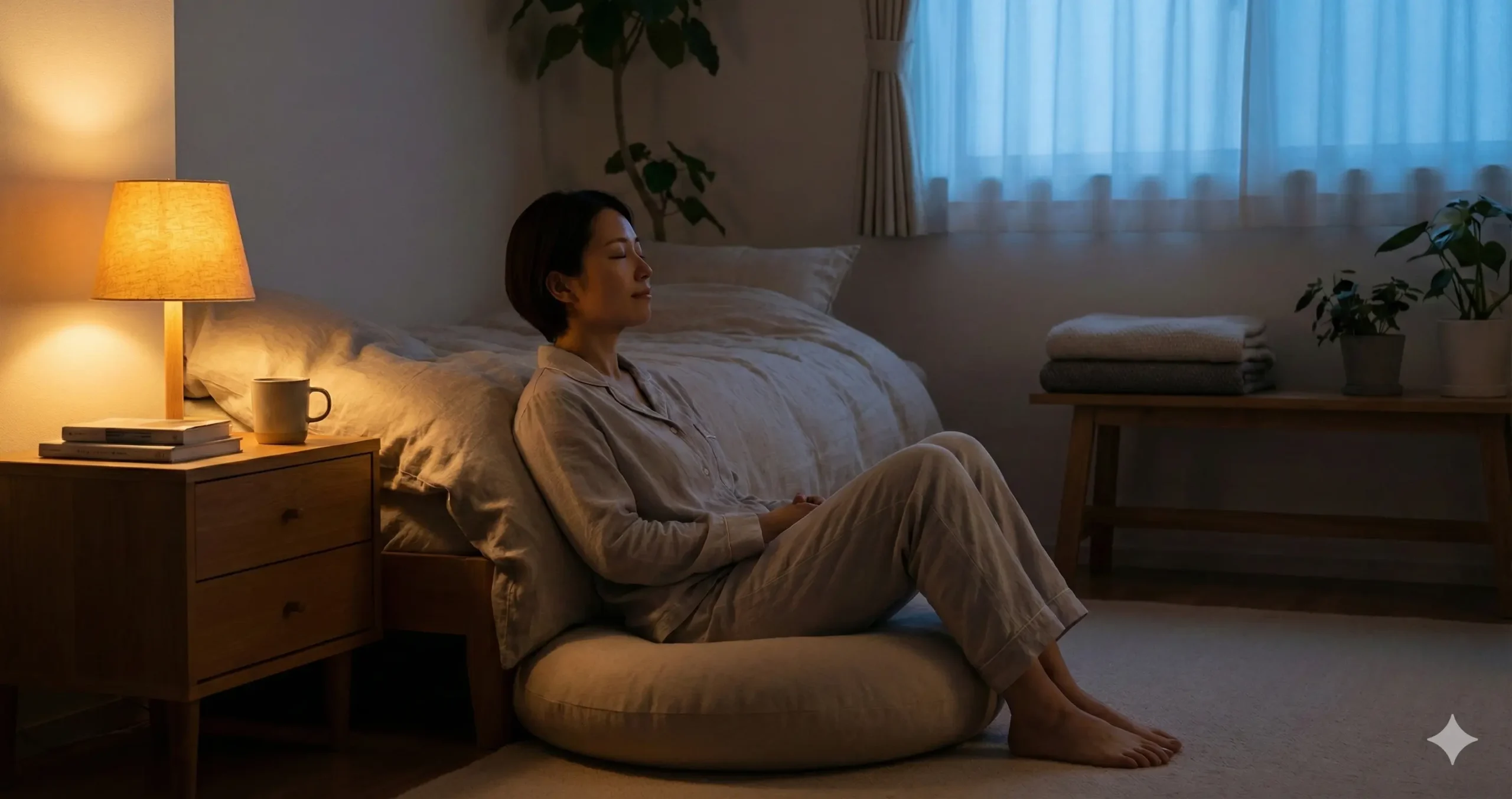
Many studies show that certain scent-based interventions, lavender in particular, can improve sleep quality and reduce pre-sleep anxiety.
Aromatherapy meta-analyses indicate beneficial effects on sleep and related measures like stress and anxiety. Using meditation incense in a short bedtime ritual can prime your nervous system for rest.
If you plan to use meditation incense at night, do these things: burn for a short period (5–15 minutes while you get ready for bed), ensure the room is ventilated afterward, and avoid heavy smoke directly above your pillow.
For people with asthma or lung disease, consider scent alternatives such as a diffuser with diluted essential oils or fragrance pads rather than open combustion.
The health literature warns that Meditation incense smoke produces particulate matter and other pollutants, so moderation and ventilation are essential.
Ritualized scent use can act like an emotional reset. When used with contemplative practices such as reflective journaling, meditation incense helps create a container for letting go.
The act of lighting, naming, and releasing provides a symbolic structure that supports actual psychological shifts.
Try this pairing: light a stick, write for ten minutes about one persistent worry, then burn the paper safely or fold it into a small envelope and place it on your altar (symbolic containment). Many people find that these tactile actions amplify the psychological release initiated by the scent.
Inhalation ties scent directly to breath, the most accessible anchor for present-moment attention. When you coordinate breath with the rising fragrance of meditation incense, you create a multisensory anchor that can shorten the time it takes to settle into open awareness.
Practice equal-count breathing (inhale 4, exhale 4) while bringing gentle attention to the scent on each inhalation. Over time, this breath–aroma bridge can help you drop into focus faster and stay there longer.

A discreet, calming scent can operate as a psychological buffer when you cannot control your environment. Light a short stick or carry a small scent pad with the same aroma to reset after stressful interactions.
The scent acts like a perimeter that reminds your nervous system that you have a resource to rely on.
For office-based stress, a single short session of meditation incense before a difficult meeting provides an internal context shift. In shared spaces, use low-smoke options or a short aromatic inhaler to avoid affecting others.
High-stimulation productivity systems often rely on alerting inputs; a calmer alternative is to use a stable aromatic cue to begin and end focused sprints.
Light one stick for a 25–50 minute focused period, then consciously close the session, extinguish the stick, and take a short restorative break. Over time, the ritual reduces the need for stimulants and supports a gentler pacing.
This approach trades jittery alertness for sustained attention. Many people report that meditation incense makes deep work less effortful because the scent helps the brain settle into fewer task-switches.
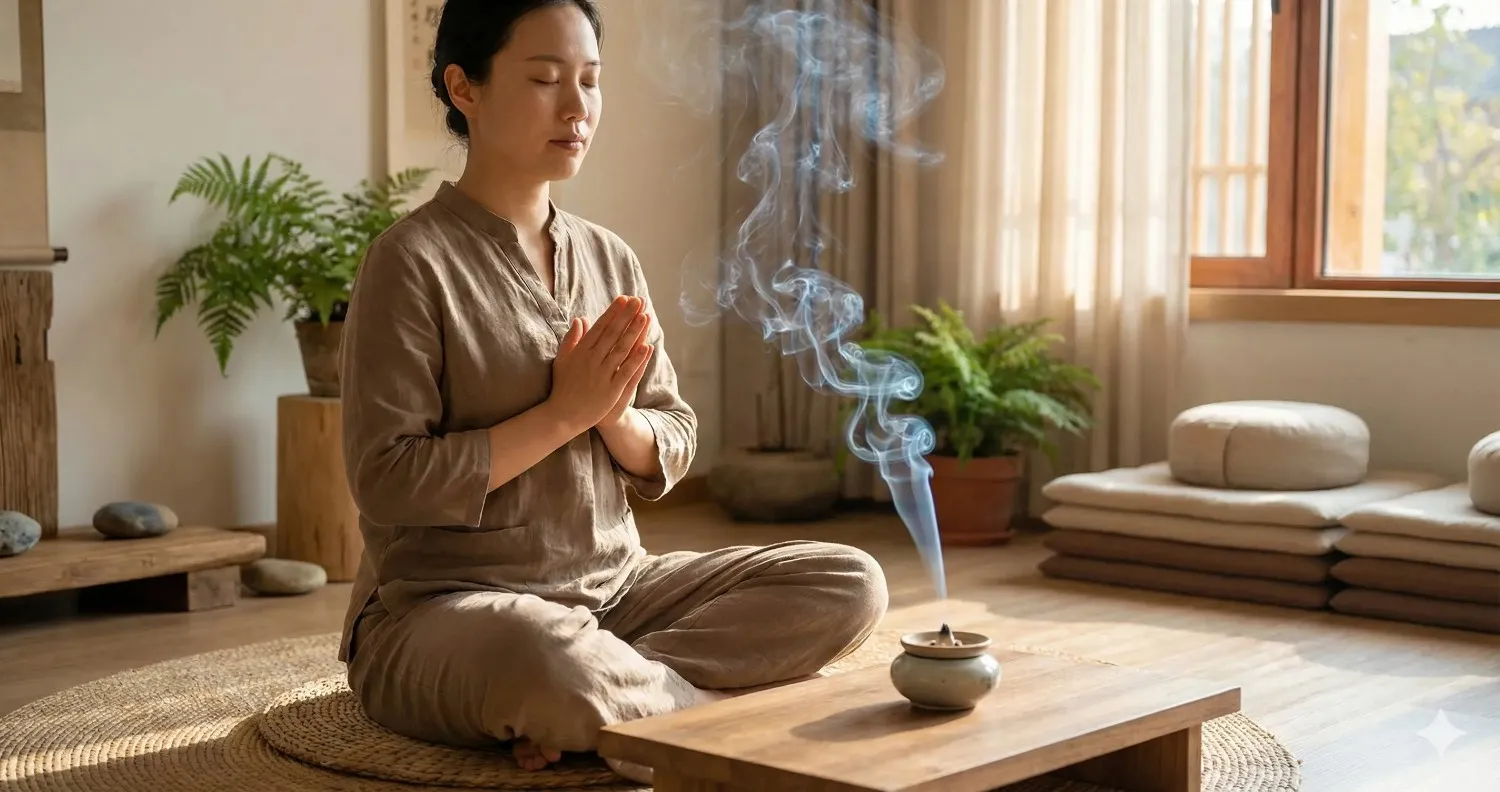
Smoke-based cleansing is a common cultural ritual across many traditions. When used respectfully, meditation incense is a tool to mark the threshold between the ordinary and the sacred.
Before deep practice, light a small amount of Meditation incense and walk it around the space, or simply move through a slow breathing cycle while the scent fills the room. Set a clear intention that the smoke is not “washing away” problems but creating a calm container for practice.
Short sessions win when they are consistent. A five-minute practice with the same meditation incense acts like a compound interest effect: each micro-session reinforces the scent-focus association so that gains accumulate.
Keep a small sachet or mini-stick of your chosen scent where you practice. The less friction between wanting to practice and being able to practice, the more likely you are to repeat and build a habit.
When a mind is tangled in loops, a non-evaluative sensory cue, like the neutral, grounding smell of certain woods, can snap the loop and return attention to the present.
Use a single inhale as a reset: inhale the meditation incense scent fully and count the breath in and out once. That single anchored breath, repeated during the day when rumination rises, functions as a cognitive interrupter.
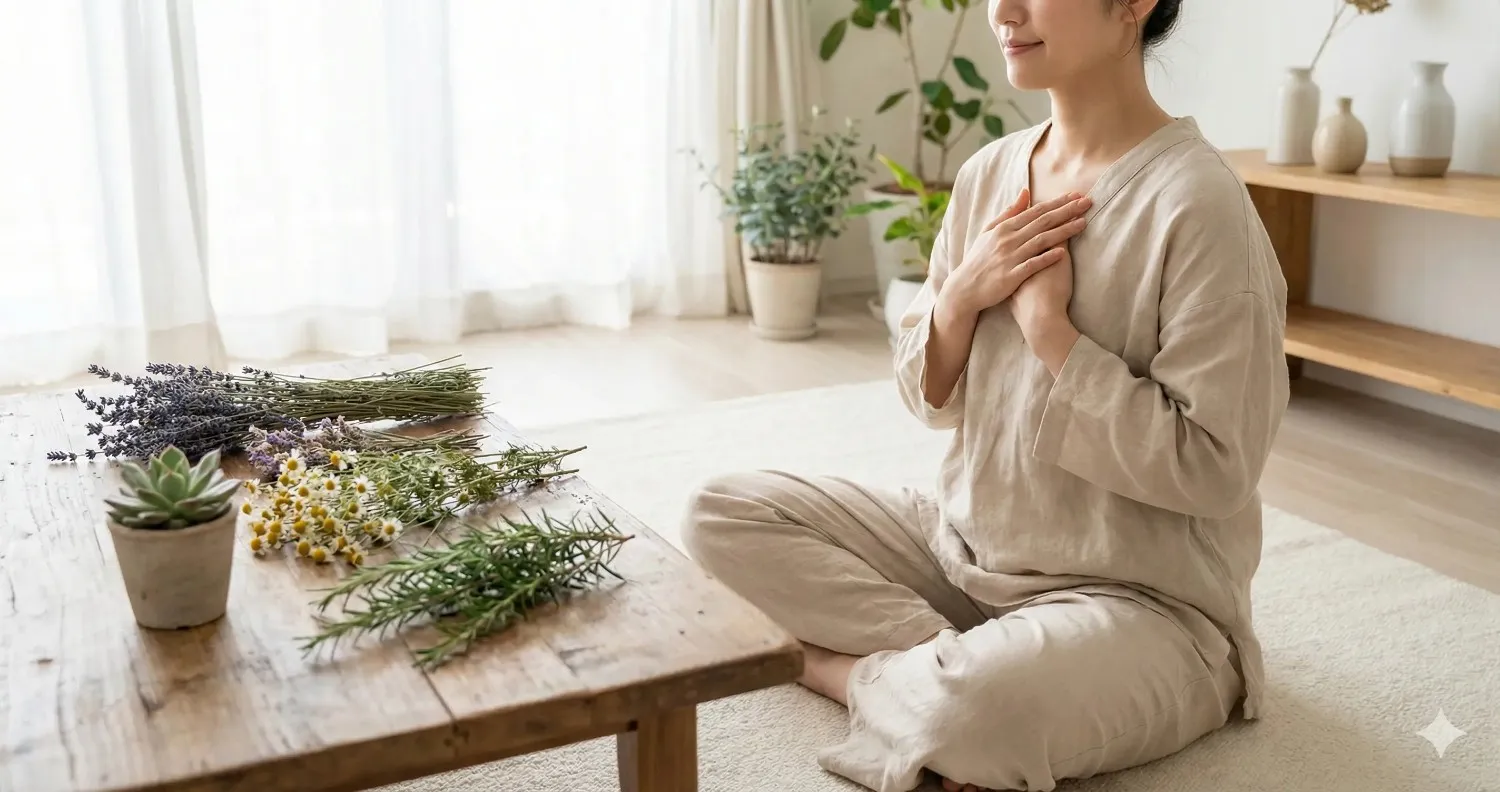
Many herbal blends used as meditation incense, such as blends containing lavender, chamomile, or rosemary, are traditional choices for relaxation. Modern trials of aromatherapy find measurable benefits for sleep, anxiety, and stress when essential oils are used appropriately.
If you prefer plant-based options, look for clear ingredient lists and minimal additives. Label your product descriptions in a way that clarifies which items in your shop are herbal incense for meditation and which are resin or blended sticks.
Slow-burning sticks and resin encourage a slower tempo. Watching a stick burn slowly or sitting through the length of a cone helps cultivate patience by providing a physical pace you can follow.
When you let the scent and the burn time be the curriculum, you are practicing patience as a skill rather than just reading about it.
| Scent / Blend | Typical Use | Emotional Outcome | Best Time to Use |
| Agarwood | Deep sitting and spiritual focus | Grounding, quiet clarity | Morning or longer sits |
| Sandalwood | Focus and calm attention | Gentle Centeredness | Any meditation session |
| Frankincense (Boswellia) | Intention-setting, ritual | Settling, mild uplifting | Pre-meditation or ritual |
| Lavender | Pre-sleep and anxiety reduction | Soothing, sleep-supporting | Evening wind-down |
| Herbal blends (chamomile, rosemary) | Emotional balance & relaxation | Gentle relaxation and cognitive clarity | Short sessions, micro-practices |
Good choices are subtle woody resins and plant-based blends such as agarwood, sandalwood, frankincense, and lavender.
Each has a long history of use in contemplative practices, and some have modern evidence for calming or sleep-support effects. Use mild blends if you have sensitive airways and always ventilate.
Start with a small sandalwood or lavender-based stick in a well-ventilated space. These are gentle and familiar to many people.
If you prefer resins, small smoldering amounts of frankincense on charcoal can work, but beginners should keep sessions short.
Different traditions favor different materials: agarwood and sandalwood are widely used in many Asian practices, while frankincense and myrrh are common in Middle Eastern and Christian liturgies. Traditional use supports ritual and focus.
A high-quality meditation incense smell is balanced, not overly sweet or chemical. For resins, the scent is resinous and complex; for woods, it is warm and dry.
Look for clear ingredient lists and trusted sourcing. Sensory quality correlates with fewer synthetic additives.
From an EEAT and safety perspective, plant-based herbal incense for meditation tends to be preferable because it usually contains recognizable ingredients and fewer unknown synthetic fragrance chemicals.
However, “natural” does not automatically mean safe for every person; people with respiratory conditions should consult a clinician and prefer non-combustion scent delivery.
Frequent indoor combustion increases exposure to particulate matter and other pollutants. Public health literature advises moderation, good ventilation, and alternatives for those with asthma or chronic lung disease.
If you plan daily use, minimize burn time, use large, well-ventilated rooms, and consider alternating with non-combustion scent methods.
Look for: clear ingredient lists, reputable suppliers, minimal additives, and testimonials describing physical rather than “over-the-top” fragrance.
If you have sensitive airways, choose low-smoke blends or try fragrance pads. Consider buying small trial packs to test how a scent actually affects your mood and concentration.
For most purposes, 5-20 minutes is enough: short sessions limit smoke exposure while still delivering the ritual and sensory cue.
For extended sits, use fewer sticks and ensure ventilation. The health literature shows that reducing exposure reduces respiratory risk.
Certain aromatherapy interventions have measurable benefits for sleep and anxiety in clinical studies, especially when combined with behavioral strategies.
Lavender has the most consistent trial evidence for improving sleep quality. However, scent is one part of a larger system of habit, sleep hygiene, and stress management.
Avoid unknown blends with unlabeled synthetic chemicals, burning in very small or unventilated rooms, and daily heavy use if you have respiratory issues.
If you sell offerings, be transparent about ingredients and safe use instructions. Also, avoid placing burning sticks near flammable materials and never leave them unattended.
Mindful, evidence-aware use of meditation incense can be a catalyst for better focus, calmer mornings, and more gentle evenings.
The scientific literature supports aromatherapy for sleep and stress outcomes in many contexts, and neuroscience explains why scent reaches emotional centers quickly.
At the same time, public health research consistently shows the need for moderation and ventilation because combustion produces particulate matter and other pollutants.
Using meditation incense well means balancing intention with safety.
If you are restless at night, start with lavender-based options. If you want focus, try sandalwood or a light agarwood stick. If you want a ritual that feels ancient and ceremonial, a small piece of frankincense resin can be used with charcoal in well-ventilated spaces.
Start with a two-week experiment: pick one scent, a single five-minute session each morning or evening, and track how you feel in a journal.
Adjust based on your observations. For safety, open a window after burning, limit sessions to 5-20 minutes, and alternate with non-combustion scent delivery if you or anyone in your home has respiratory sensitivity.
Final safety reminder
Meditation incense is a powerful tool when used intentionally and safely. Enjoy its ritual potency, respect indoor air concerns, and prioritize ventilation and moderation.
If you have chronic respiratory conditions, consult a healthcare provider before introducing combustion-based scents into your home.
Public health research shows both benefits and risks, balancing them thoughtfully will let you enjoy the stress-reducing potential of aroma while protecting long-term health.